Take a Decision or Make a Decision: Which Is Correct?
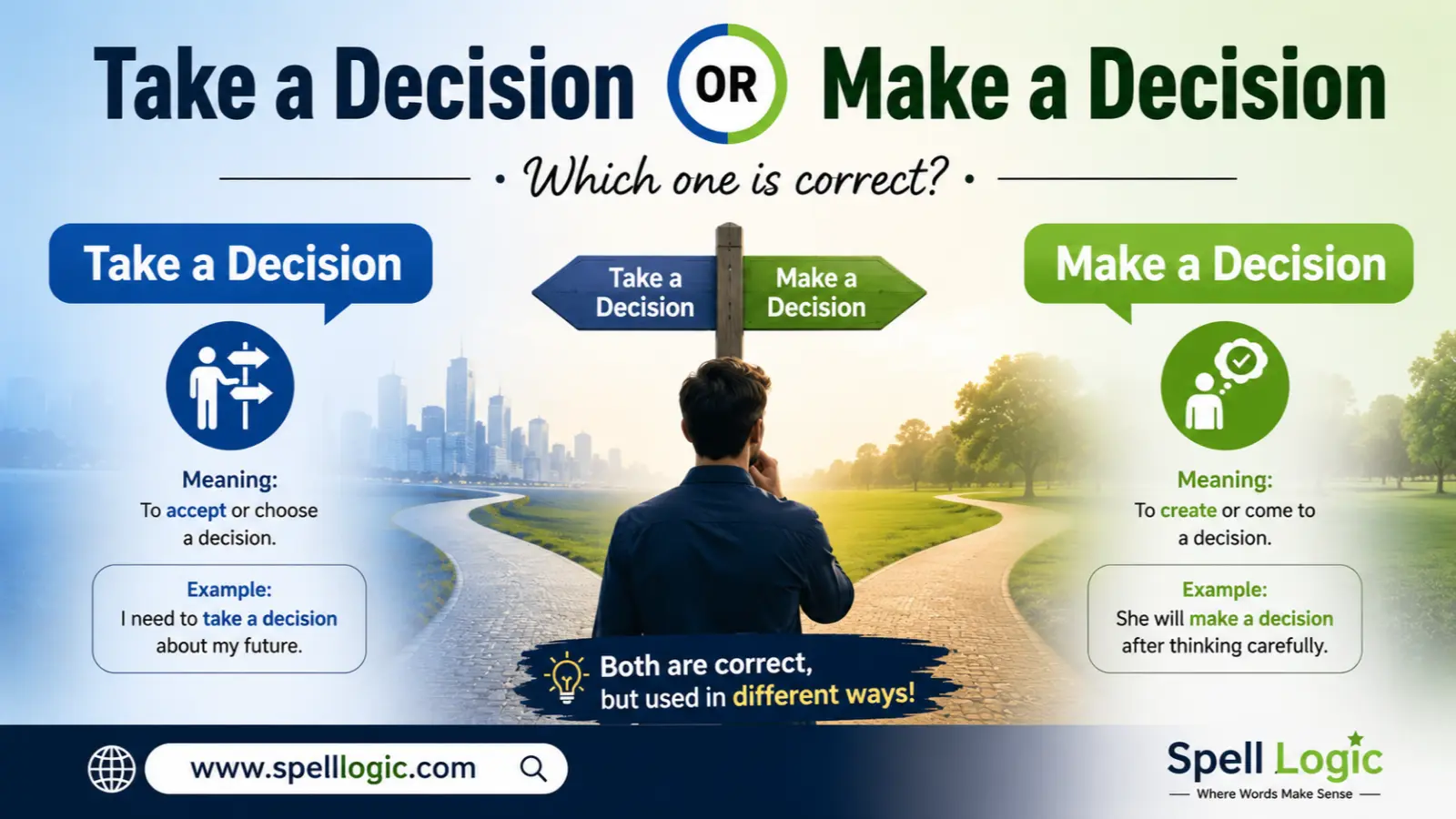
English learners often wonder whether take a decision or make a decision is the correct expression. Both forms are understandable, and both are used by English speakers, but they do not have the same level ...
Read more
Congress’s or Congress’: Which Is Correct?
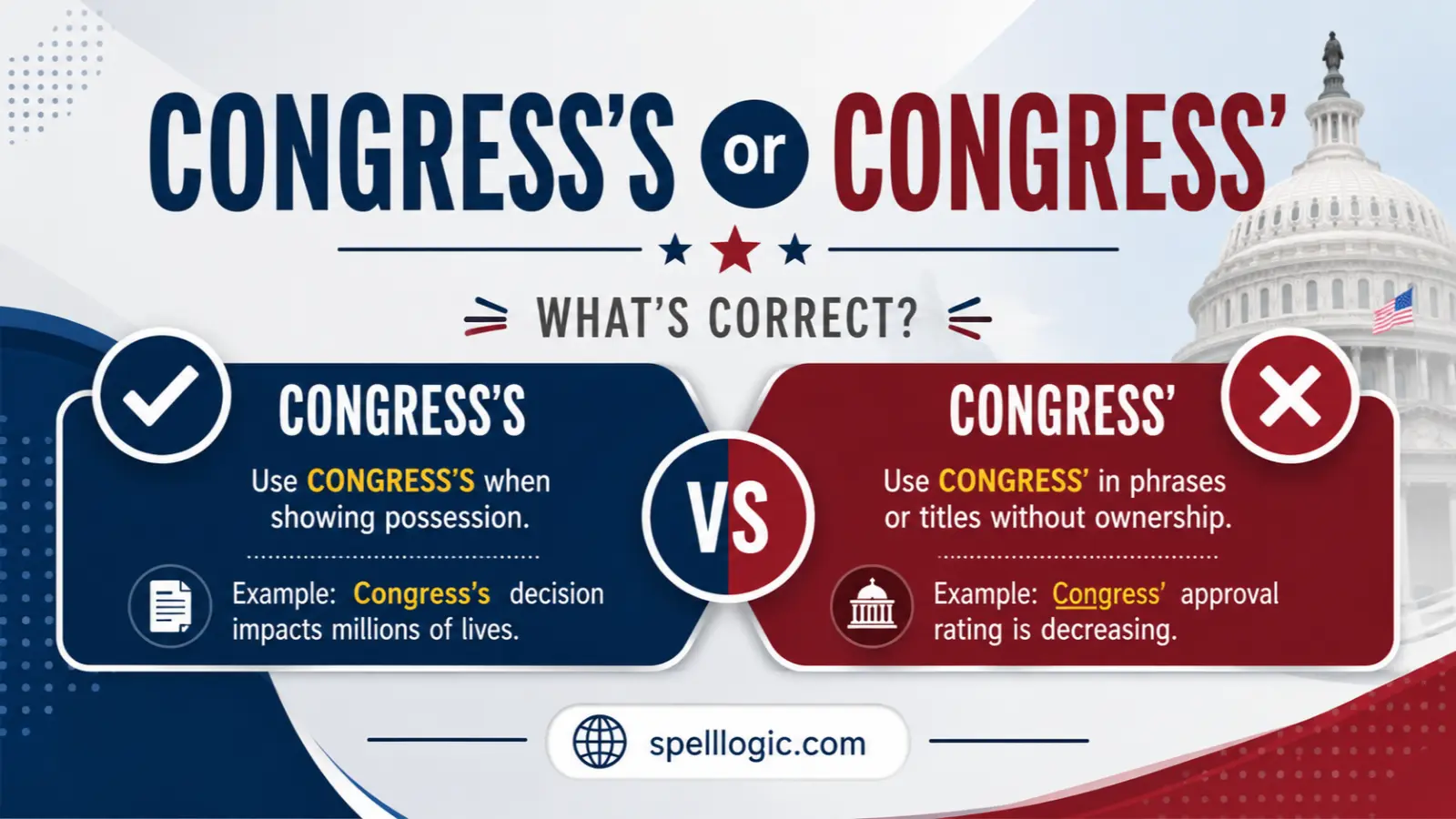
English learners often hesitate when they need to show possession with a word that already ends in s. The question of congress’s or congress’ can seem especially confusing because both forms appear in writing, and ...
Read more
guy’s or guys: Which Is Correct?
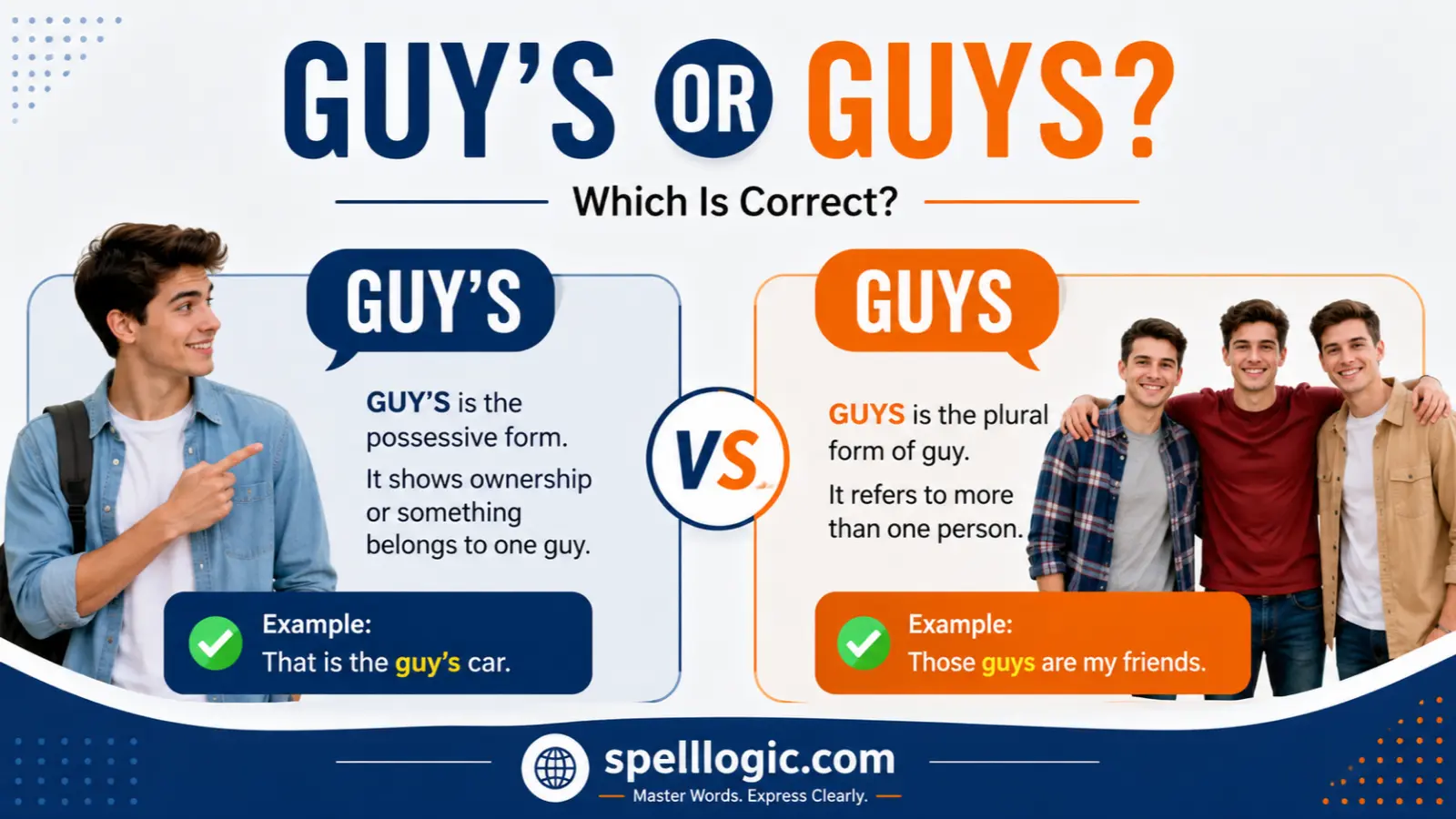
English learners often wonder whether to write guy’s or guys because the two forms look almost identical and sound very similar in everyday speech. However, the apostrophe changes the grammatical meaning completely. Guys is normally ...
Read more
Have Rode or Have Ridden: Which Is Correct?
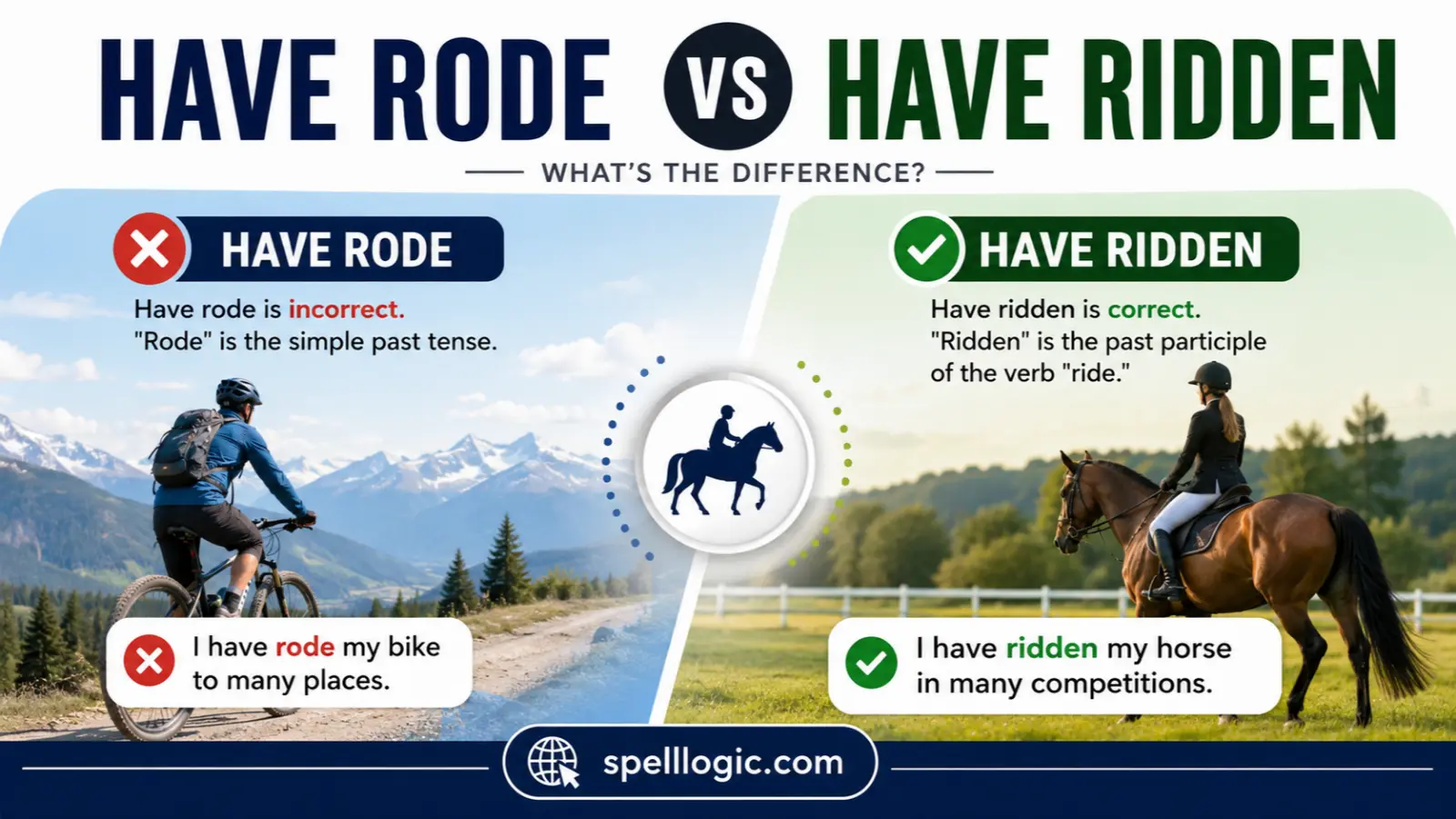
English learners often wonder whether have rode or have ridden is the correct form when talking about riding a bike, horse, motorcycle, or other vehicle. The confusion happens because rode and ridden are both forms ...
Read more
Beware or Be Aware: Which Is Correct?
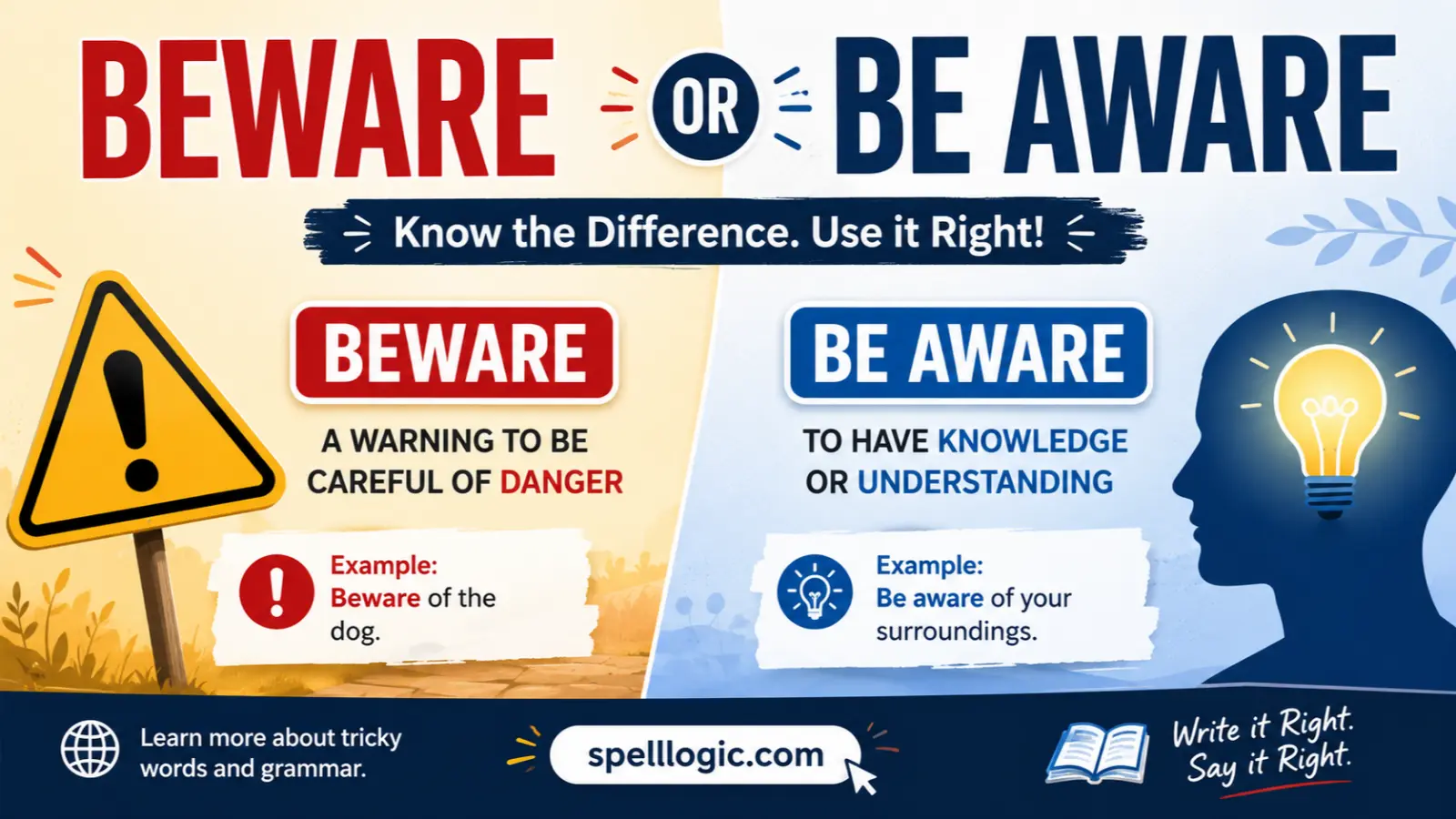
English learners often wonder about beware or be aware because both expressions relate to noticing danger, being careful, or paying attention. They also look and sound similar, but they do not work in exactly the ...
Read more
In Stock or On Stock: What Is the Difference ?
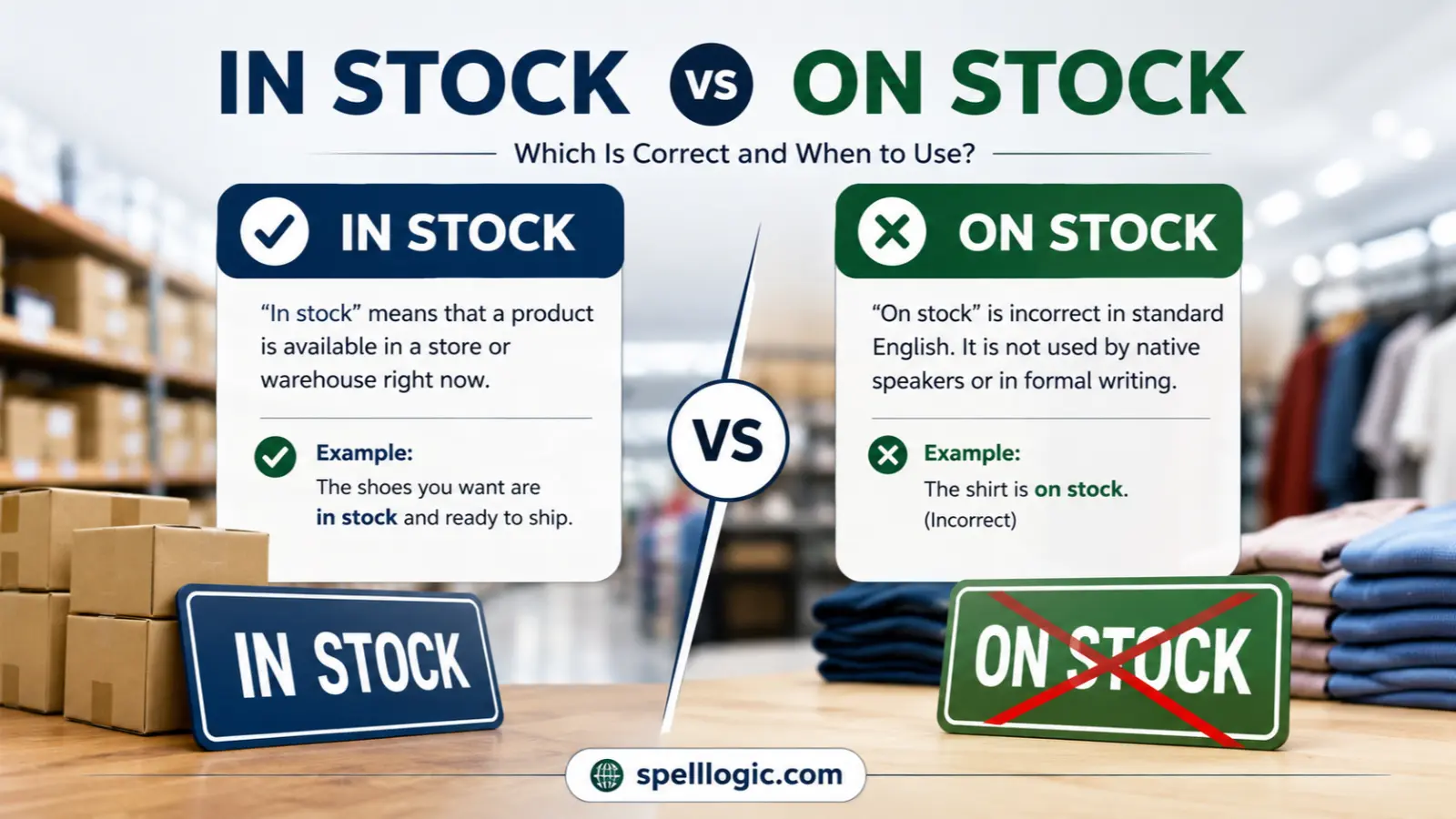
Many English learners wonder whether they should say in stock or on stock when talking about products that are available to buy. The confusion happens because both phrases contain the word stock, and some languages ...
Read more
& or and: Which Is Correct?
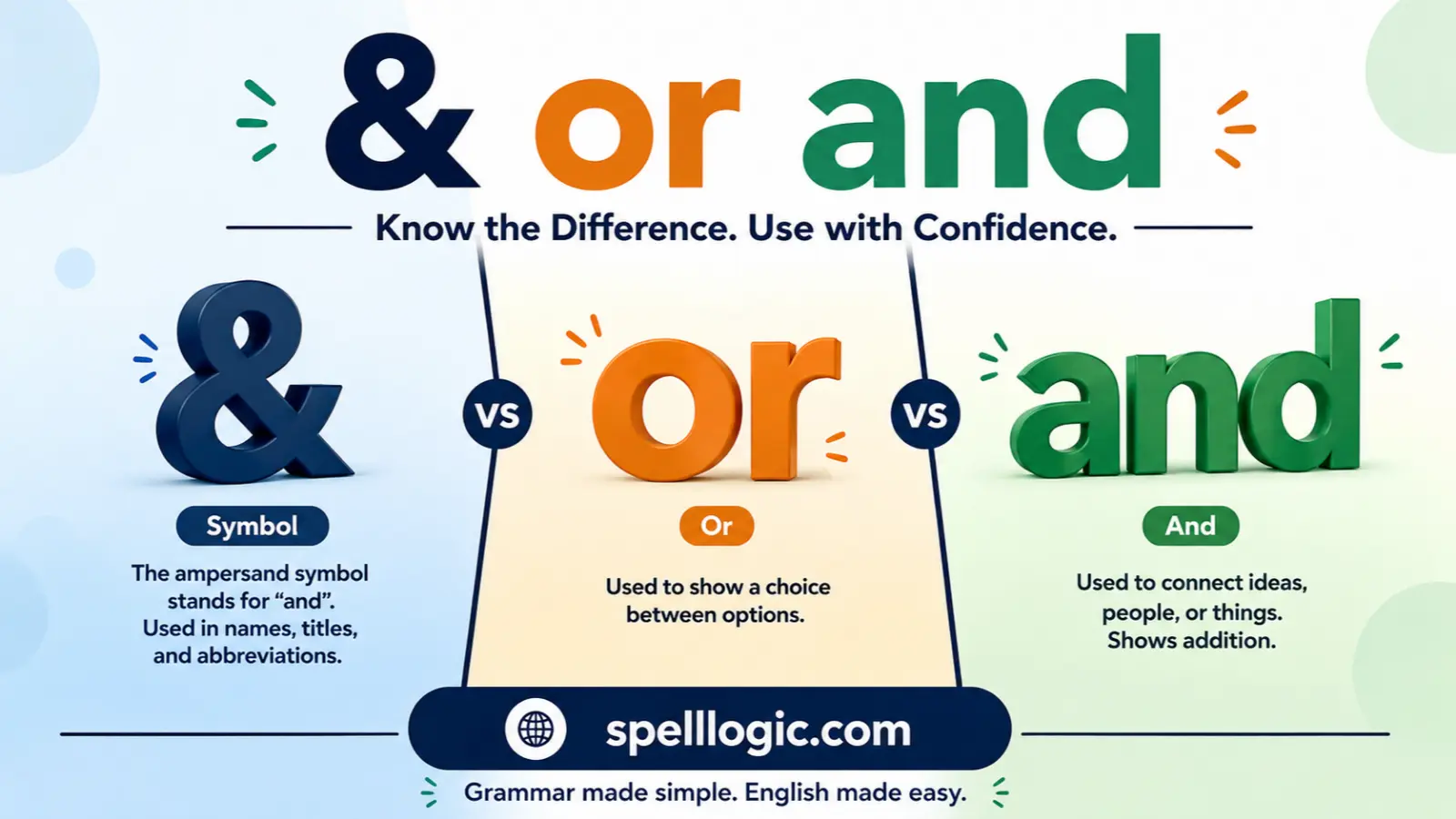
English learners often notice the symbol “&” and the word “and” in signs, titles, business names, menus, and everyday writing. This can make & or and seem like a simple choice, but the two forms ...
Read more
Anyone Has or Have: Which Is Correct?
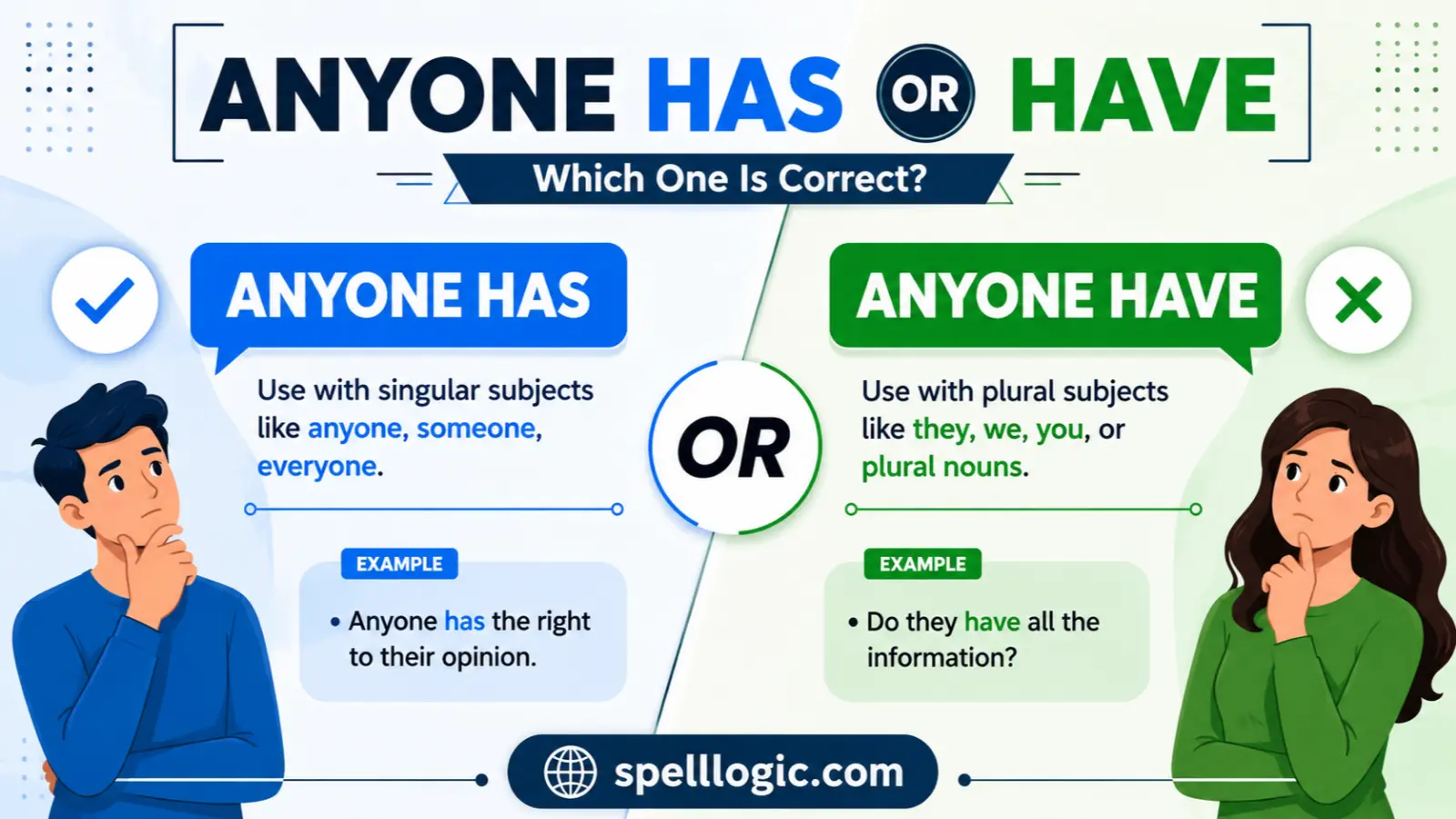
English learners often wonder whether to say “anyone has” or “anyone have” because the word anyone refers to people but takes a singular verb. This can be confusing, especially in questions such as “Does anyone ...
Read more
You Were or You Was: What Is the Difference & Which Is Correct?
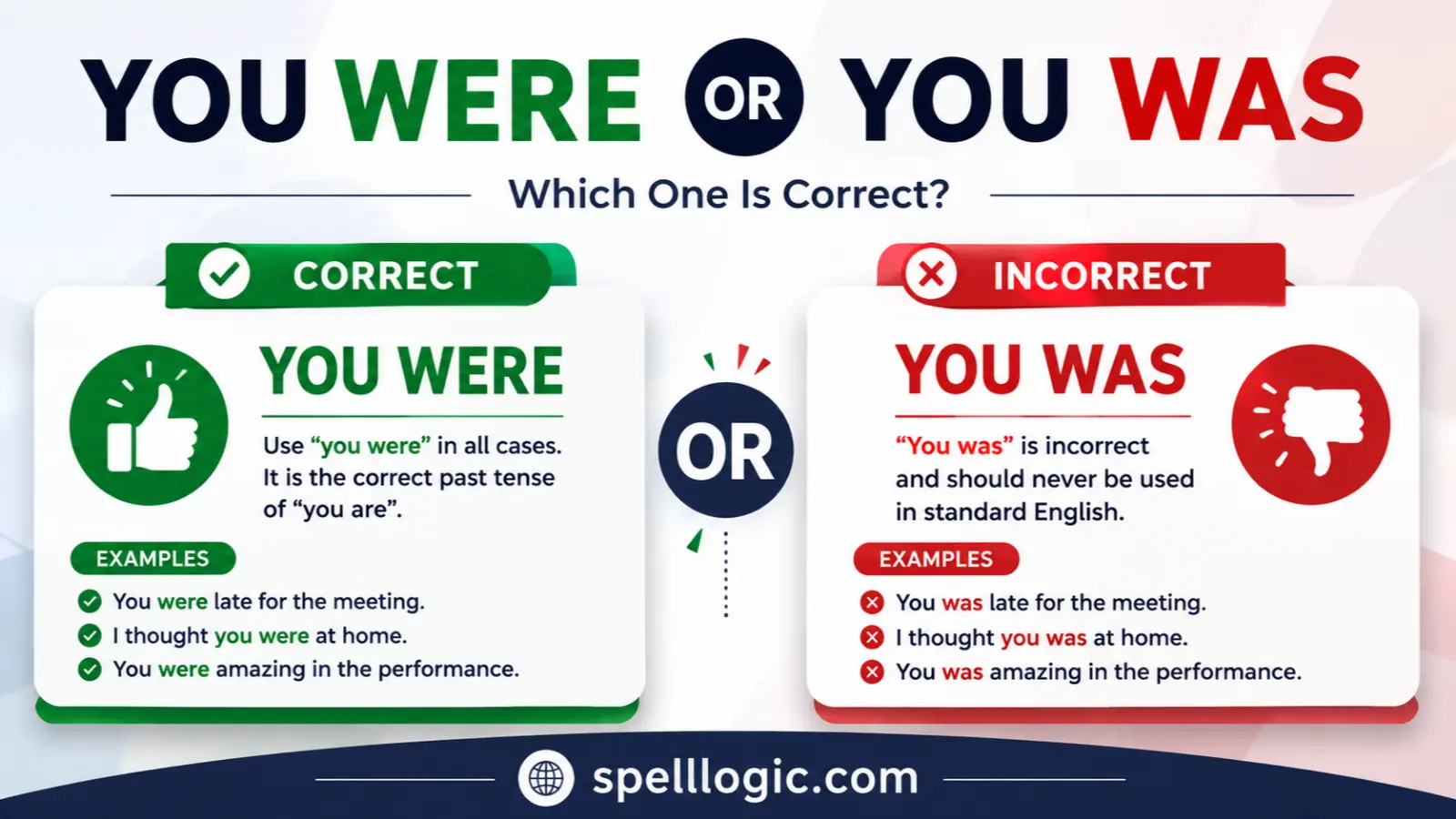
English learners often hesitate when choosing between two forms of the verb be in the past tense. One common confusion involves the forms used with you. Because you can refer to one person or several ...
Read more
Some Singular or Plural: Which Is Correct?
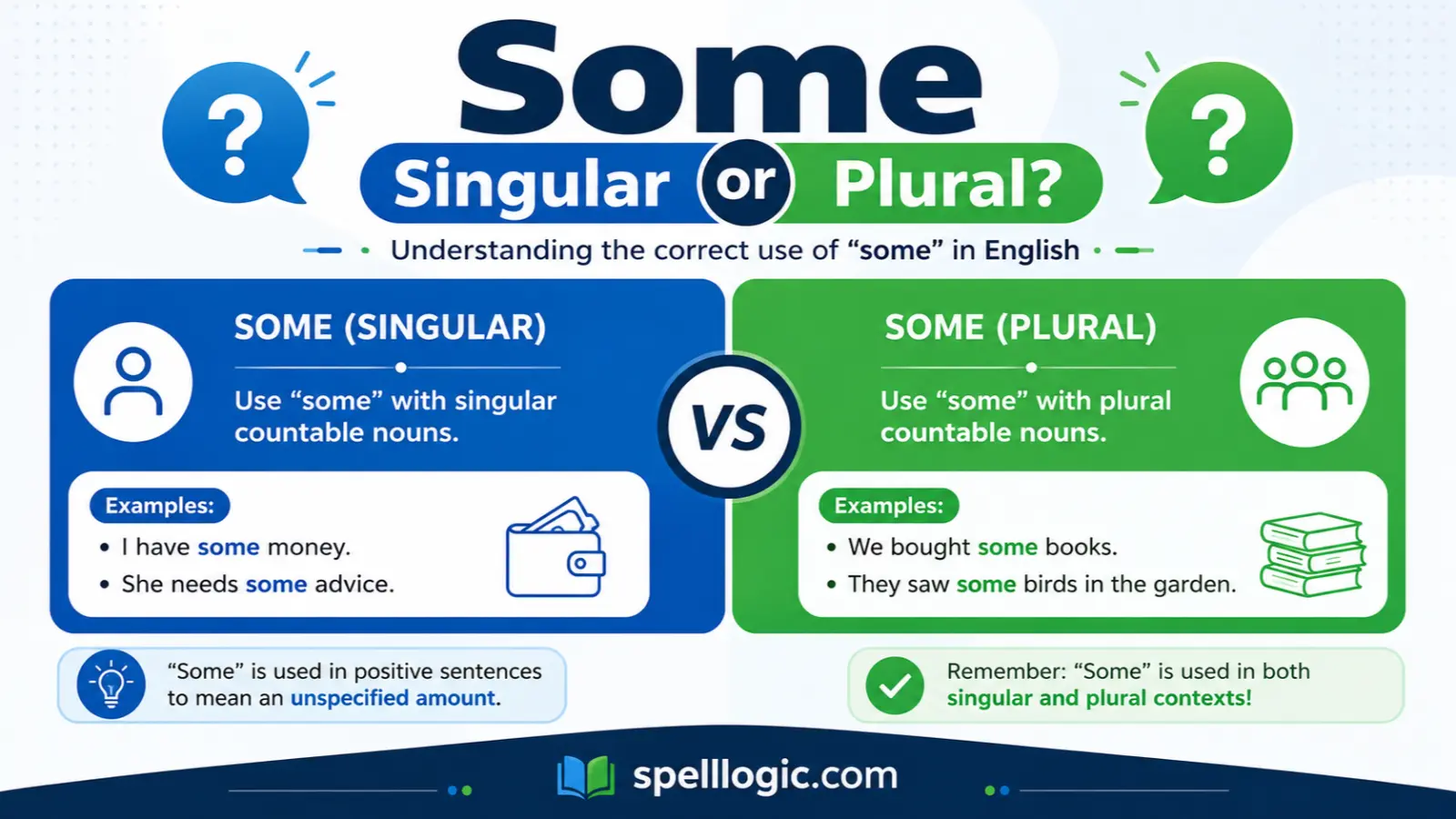
English learners often wonder whether some should be followed by a singular or plural noun. This question becomes confusing because some can be used with plural countable nouns as well as uncountable nouns. In everyday ...
Read more