In the Left or On the Left: Which Is Correct?
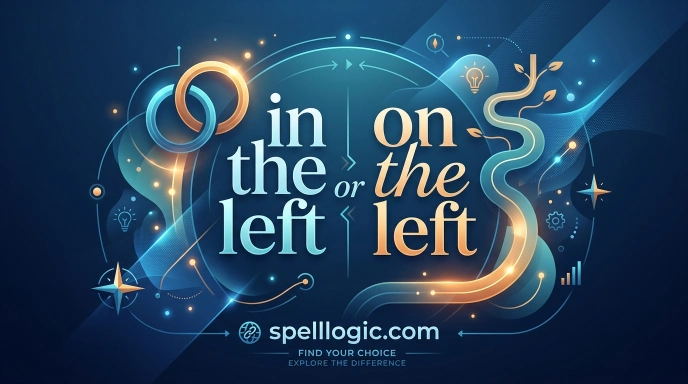
In the left or on the left can confuse English learners because both expressions refer to a position or location. However, they are not usually interchangeable. The difference depends mainly on what kind of space ...
Read more
Bitten or Bit: Which Is Correct?
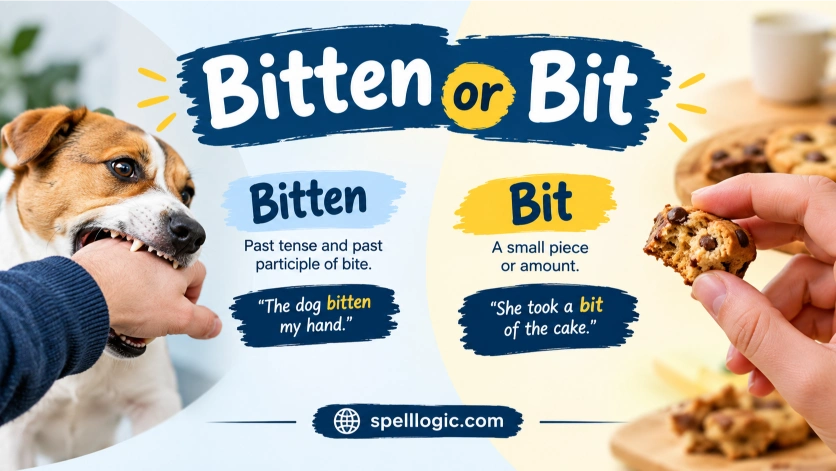
English learners often find bitten or bit confusing because both forms come from the same verb, bite, but they are used in different grammatical situations. The main difference is connected to verb tense: bit is ...
Read more
Psalm or Psalms: Which Is Correct?
English learners often wonder whether to use psalm or psalms when talking about a religious song, poem, or biblical passage. The confusion is understandable because the two words look almost identical, and the only visible ...
Read more
Life-Changing or Life Changing: Which Is Correct?
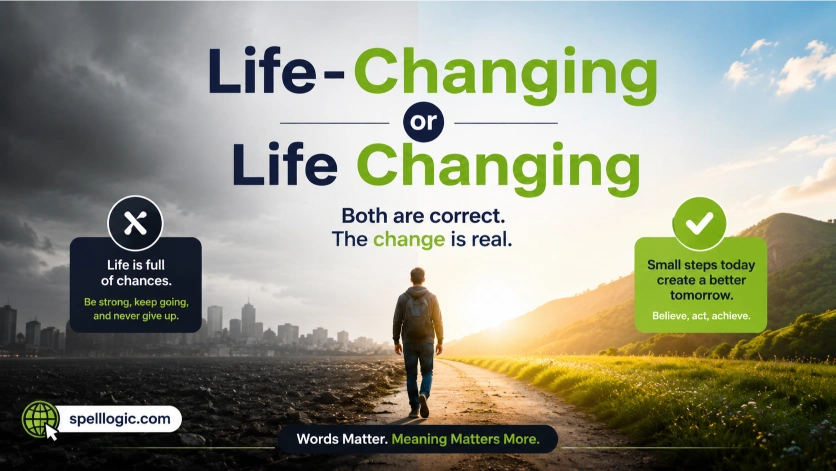
English learners often wonder whether life-changing or life changing is the correct form. Both versions can appear in writing, which makes the choice confusing. The key is not pronunciation or meaning, but grammar and position ...
Read more
To Far or Too Far: Which Is Correct?
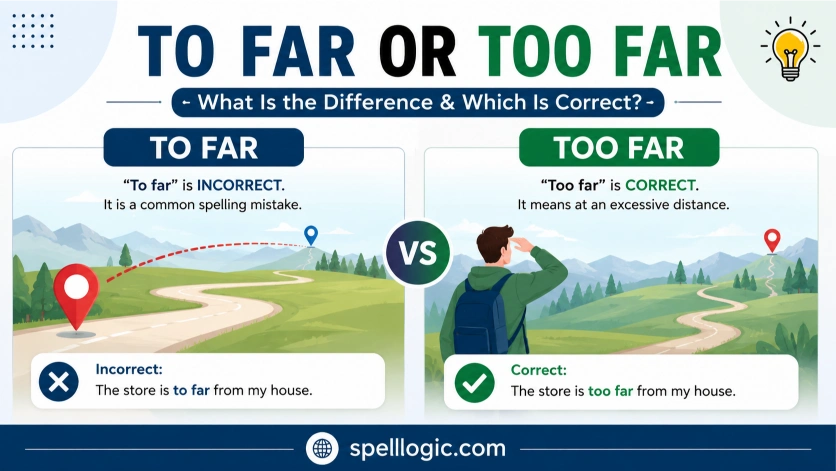
Many English learners feel confused when deciding whether to write to far or too far. The confusion happens because to and too look and sound very similar, yet they have different grammatical functions and meanings. ...
Read more
Illinois’s or Illinois’: Which Is Correct?
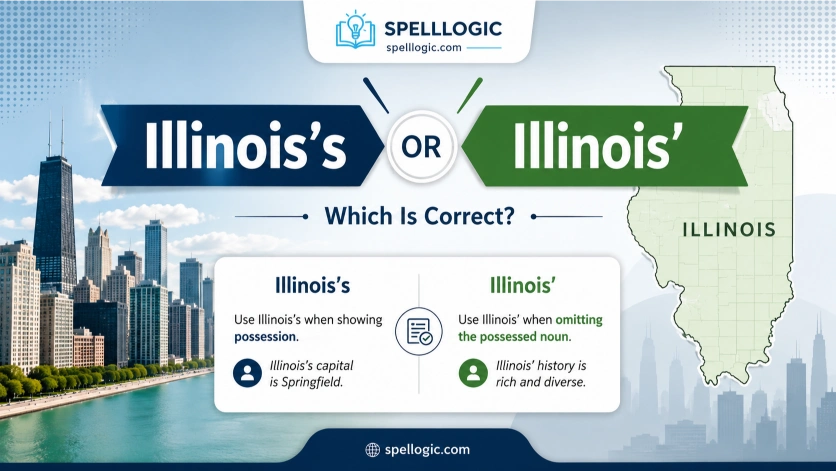
English possessives can be confusing, especially when a proper noun already ends in s. The phrase illinois’s or illinois’ creates this problem because Illinois ends with the letter s, yet different style guides handle its ...
Read more
On the Mountain or in the Mountain: Which Is Correct?
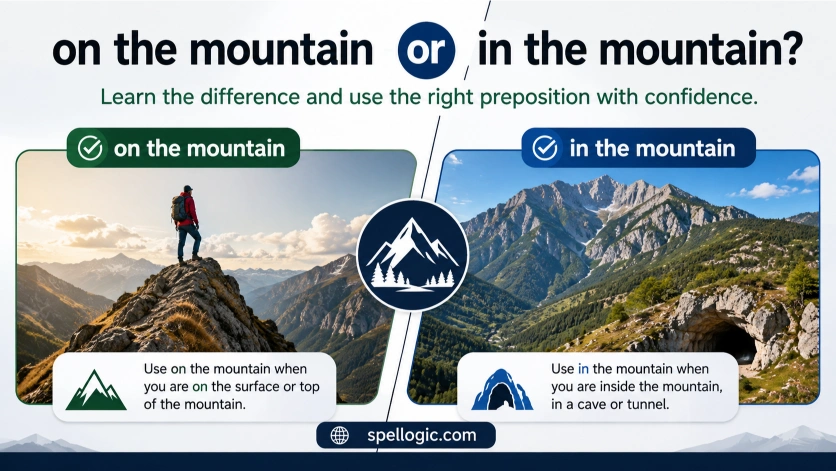
English learners often wonder whether they should say on the mountain or in the mountain. The two expressions look very similar, but they describe different locations and situations. The main confusion comes from the prepositions ...
Read more
Customer’s or Customers’: Which Is Correct?
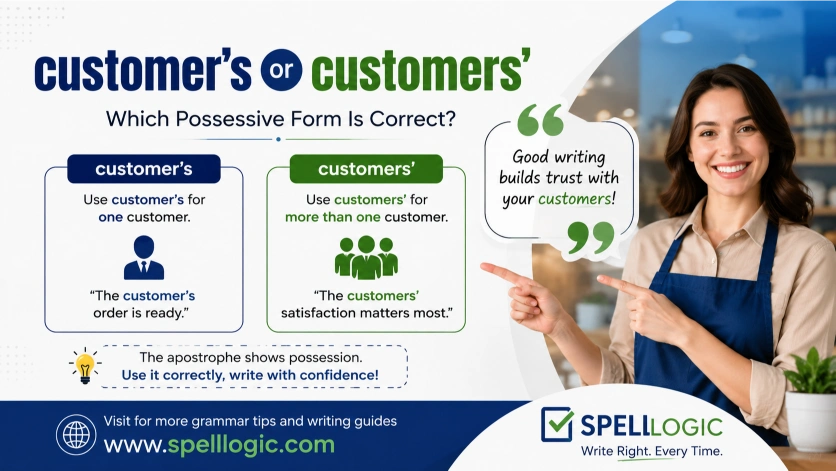
English apostrophes can be confusing, especially when a noun can refer to one person or many people. Customer’s or customers’ is a common example because both forms show possession, but they refer to different numbers ...
Read more
Nanna or Nana: Which Is Correct?
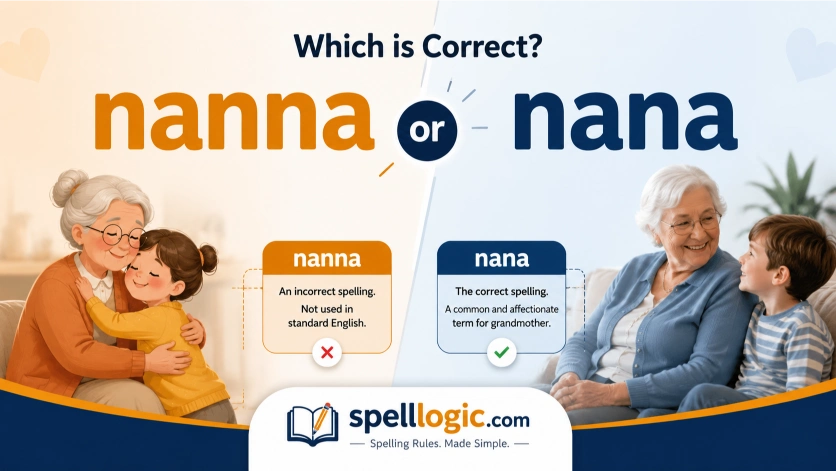
Nanna or nana can confuse English learners because both words look and sound almost the same. In many situations, they refer to a grandmother, but their spelling and usage can vary depending on region, family ...
Read more
knows or know: Which Is Correct?

English learners often hesitate when choosing between knows and know because both forms come from the same verb and express the same basic idea. In this guide, we will explain the difference between the two ...
Read more