Disenroll or Unenroll: Which Is Correct?
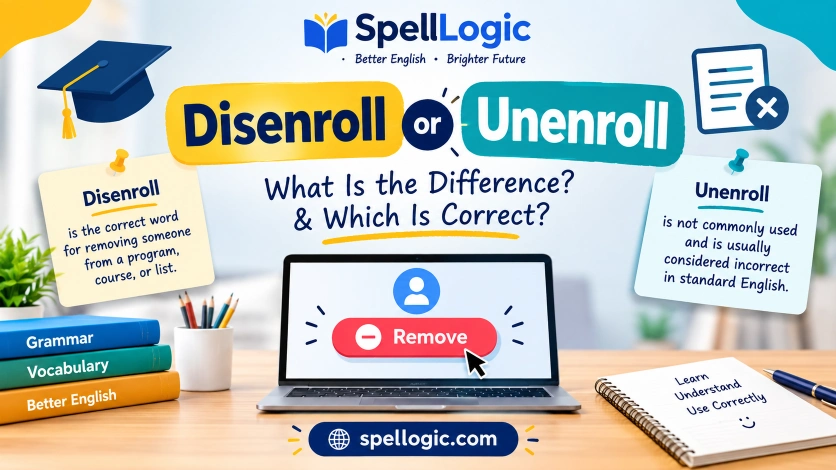
English learners often come across both disenroll and unenroll when reading about schools, courses, memberships, programs, subscriptions, or online services. Because the two verbs have almost the same spelling and meaning, it can be difficult ...
Read more
Me To or Me Too: Which Is Correct?
English learners often wonder whether “me to or me too” is the correct way to write a common expression. The confusion happens because “to” and “too” sound very similar, especially in fast, natural speech. However, ...
Read more
[signalling or signaling]: Which Is Correct?
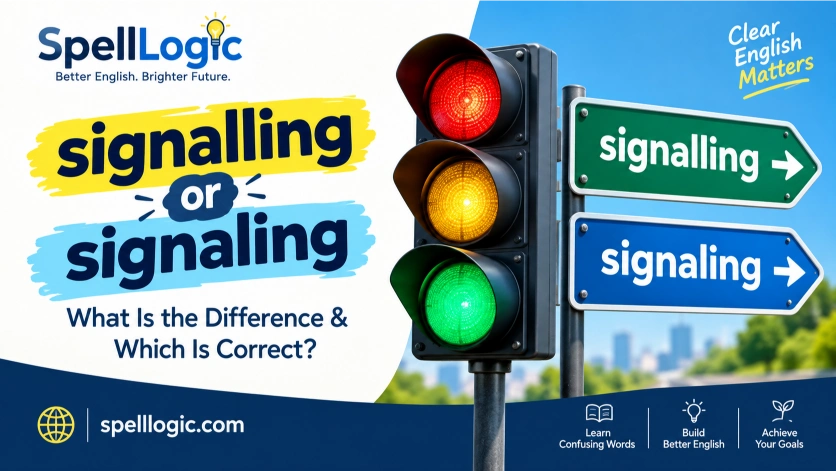
English spelling can change depending on where the language is used, and signalling or signaling is a good example. Both forms are correct, but they belong to different spelling traditions. British English and many other ...
Read more
Louis’ or Louis’s: Which Is Correct?
Possessives can be confusing, especially when a person’s name already ends in a sound or letter that looks unusual in writing. Louis’ or Louis’s is a good example. Learners may wonder whether they should add ...
Read more
In the Left or On the Left: Which Is Correct?
In the left or on the left can confuse English learners because both expressions refer to a position or location. However, they are not usually interchangeable. The difference depends mainly on what kind of space ...
Read more
Bitten or Bit: Which Is Correct?
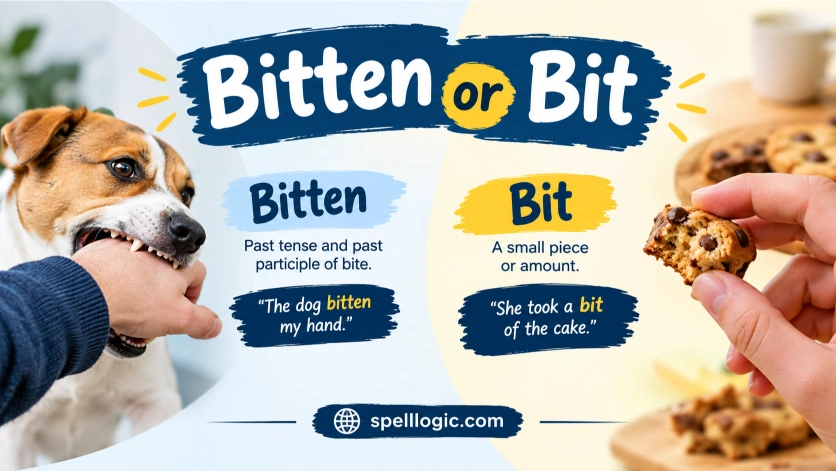
English learners often find bitten or bit confusing because both forms come from the same verb, bite, but they are used in different grammatical situations. The main difference is connected to verb tense: bit is ...
Read more
Psalm or Psalms: Which Is Correct?
English learners often wonder whether to use psalm or psalms when talking about a religious song, poem, or biblical passage. The confusion is understandable because the two words look almost identical, and the only visible ...
Read more
Life-Changing or Life Changing: Which Is Correct?
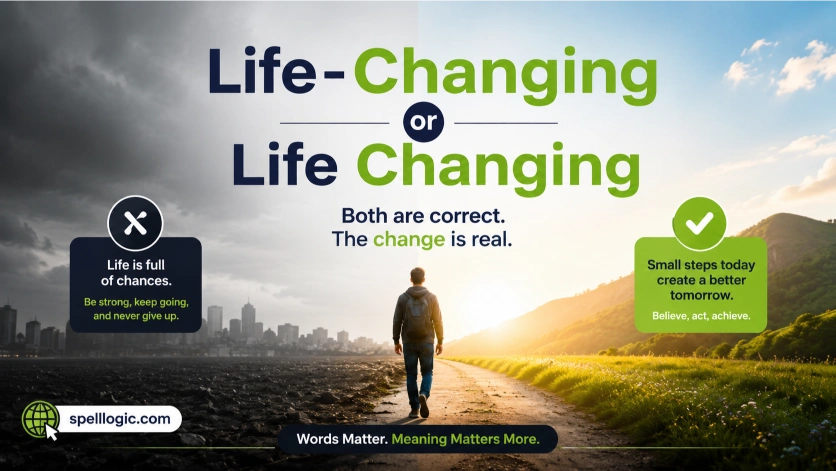
English learners often wonder whether life-changing or life changing is the correct form. Both versions can appear in writing, which makes the choice confusing. The key is not pronunciation or meaning, but grammar and position ...
Read more
To Far or Too Far: Which Is Correct?
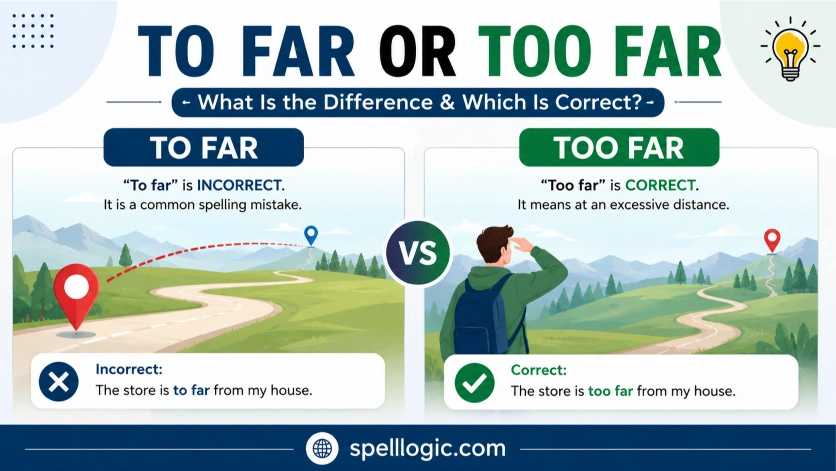
Many English learners feel confused when deciding whether to write to far or too far. The confusion happens because to and too look and sound very similar, yet they have different grammatical functions and meanings. ...
Read more
Illinois’s or Illinois’: Which Is Correct?
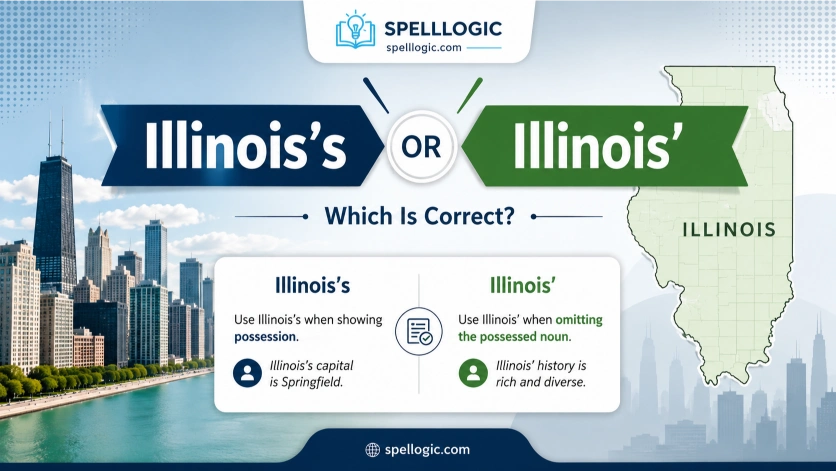
English possessives can be confusing, especially when a proper noun already ends in s. The phrase illinois’s or illinois’ creates this problem because Illinois ends with the letter s, yet different style guides handle its ...
Read more