Inflection vs Intonation: What Is the Difference & Which Is Correct?
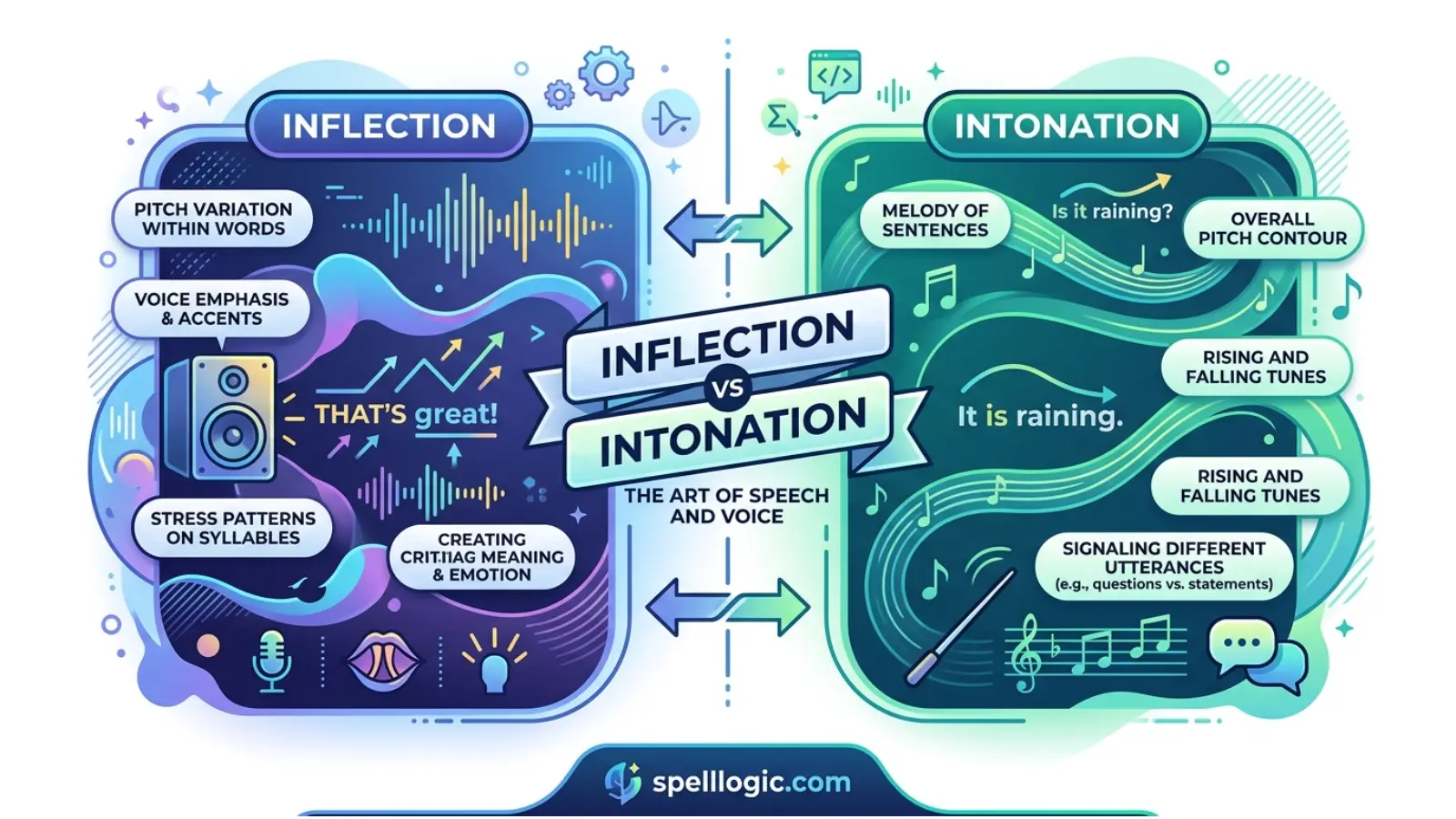
Many English learners confuse inflection and intonation because both terms describe changes in speech. They are often discussed together in pronunciation lessons, public speaking, and linguistics, making it easy to assume they mean the same ...
Read more
Accumulative vs Cumulative: What Is the Difference?
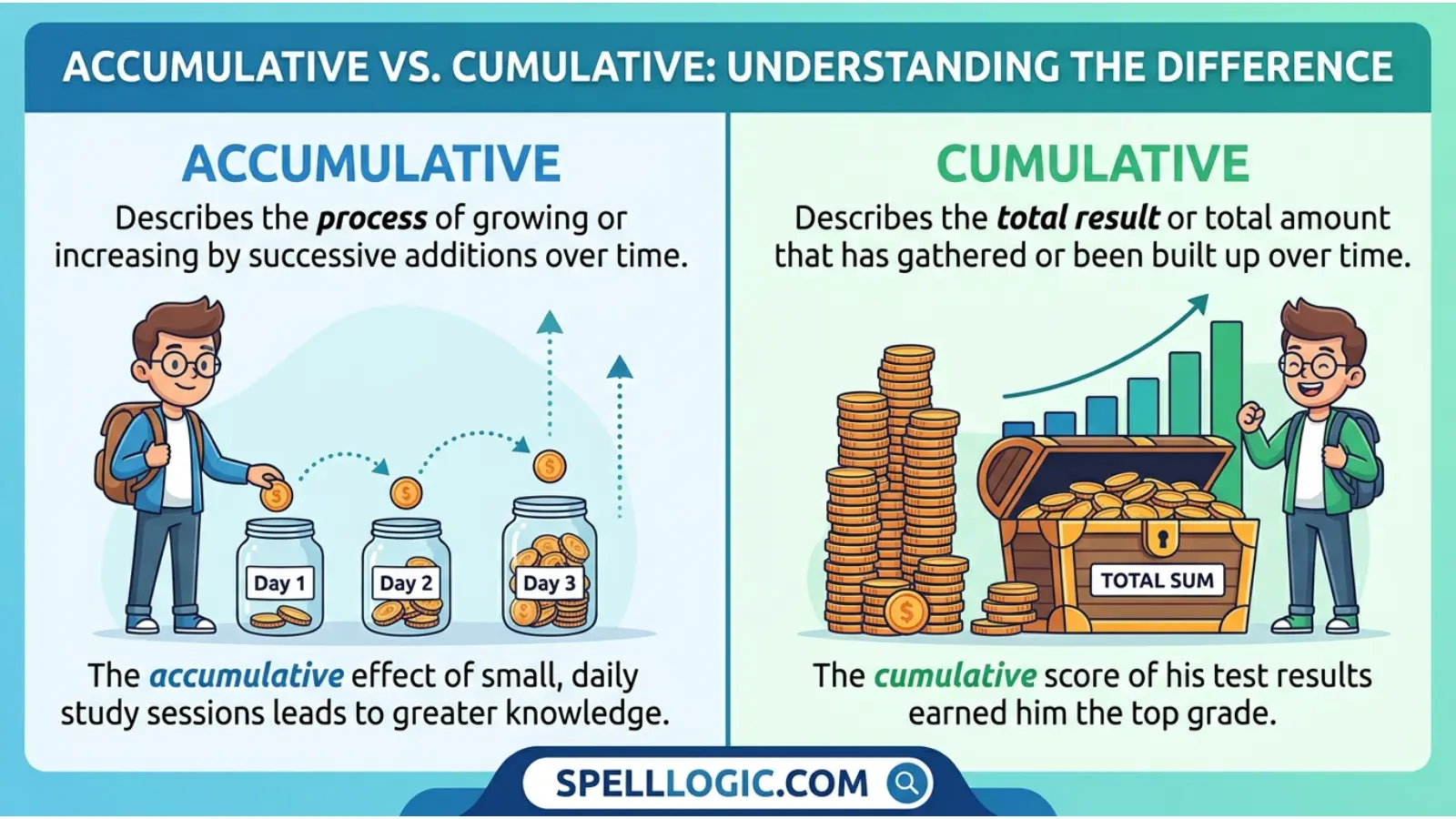
Many English learners struggle with accumulative vs cumulative because both words relate to the idea of increasing over time. They also look and sound very similar, making it easy to assume they mean exactly the ...
Read more
Stigma vs Stigmatism: What Is the Difference & Which Is Correct?
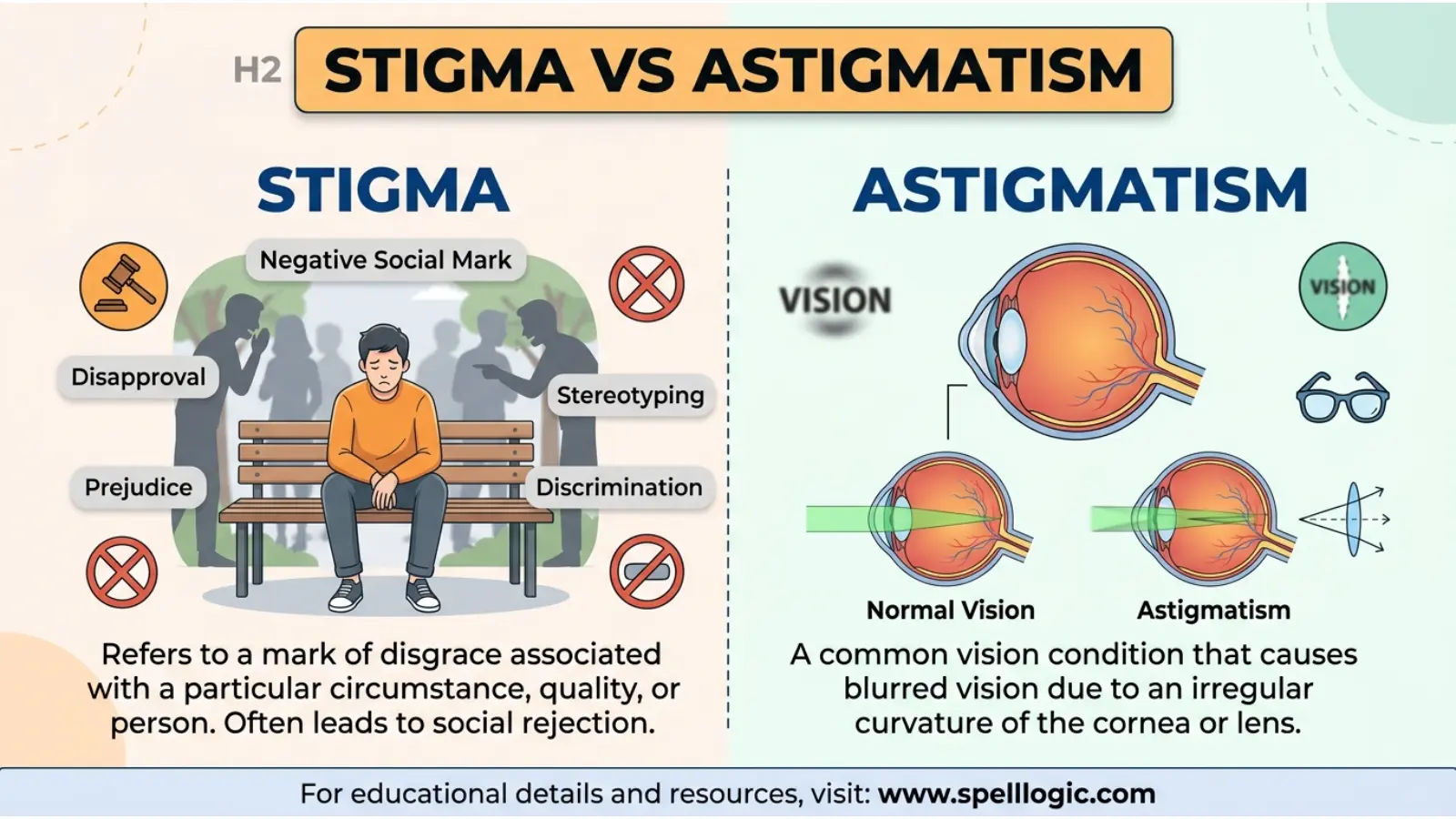
Many English learners become confused by stigma and stigmatism because the two words look and sound somewhat similar. However, they have completely different meanings and are used in different fields. Stigma is a common English ...
Read more
Monitor vs Screen: Which Term Is Correct?
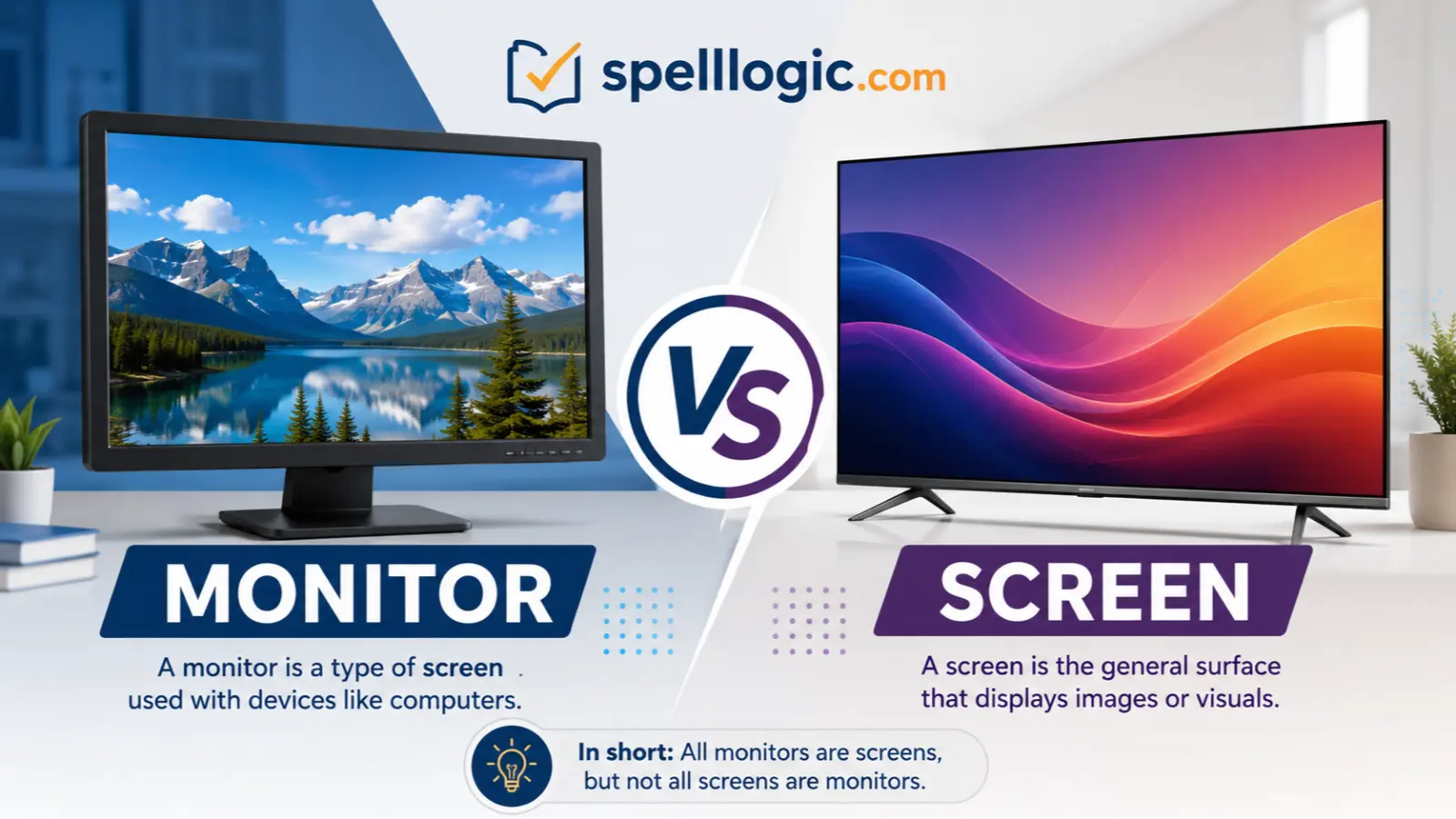
Many English learners use monitor and screen as if they mean exactly the same thing. While these words are closely related, they are not always interchangeable. In everyday conversations, people often say, “Look at the ...
Read more
Authorisation vs Authorization: What’s the Difference?
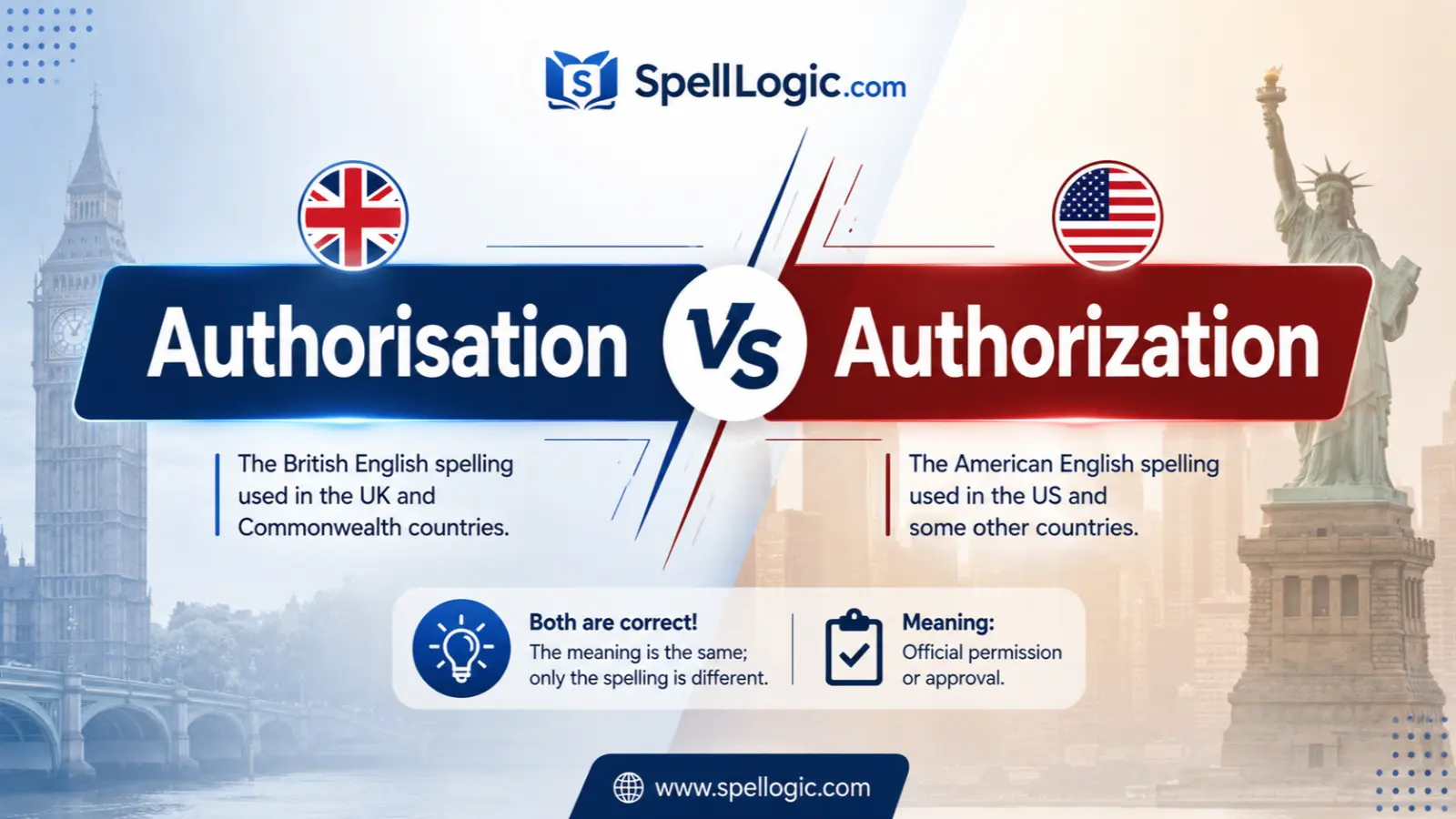
If you’ve ever wondered whether authorisation or authorization is the correct spelling, you’re not alone. Many English learners—and even native speakers—find these two words confusing because they look almost identical and have the same meaning. ...
Read more
Upset vs Mad: What Is the Difference & Which Is Correct?
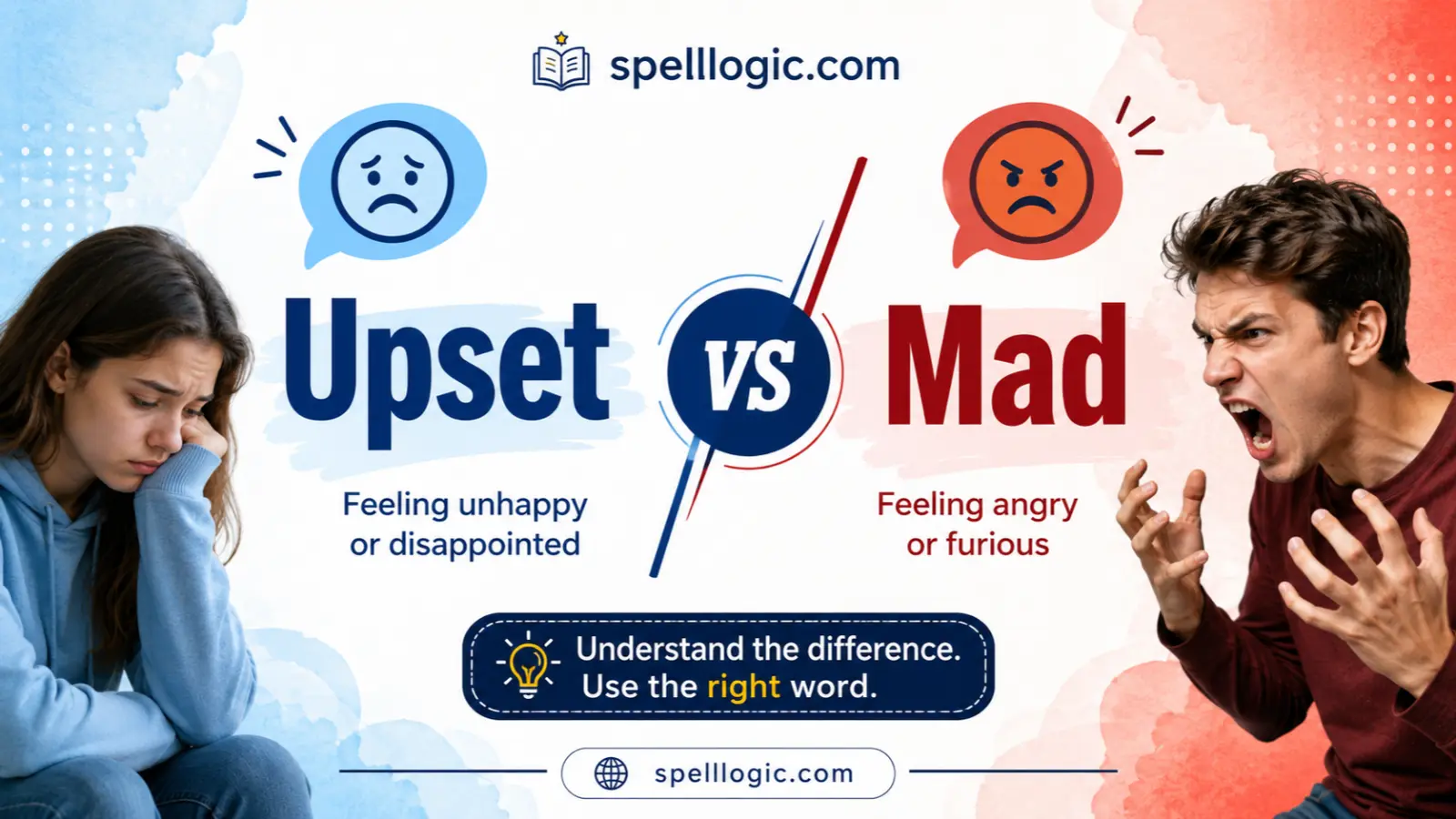
Many English learners wonder whether they should say upset or mad when talking about their feelings. These two words often appear in similar situations, so it is easy to think they mean exactly the same ...
Read more
Sustain vs Maintain Explained Simply
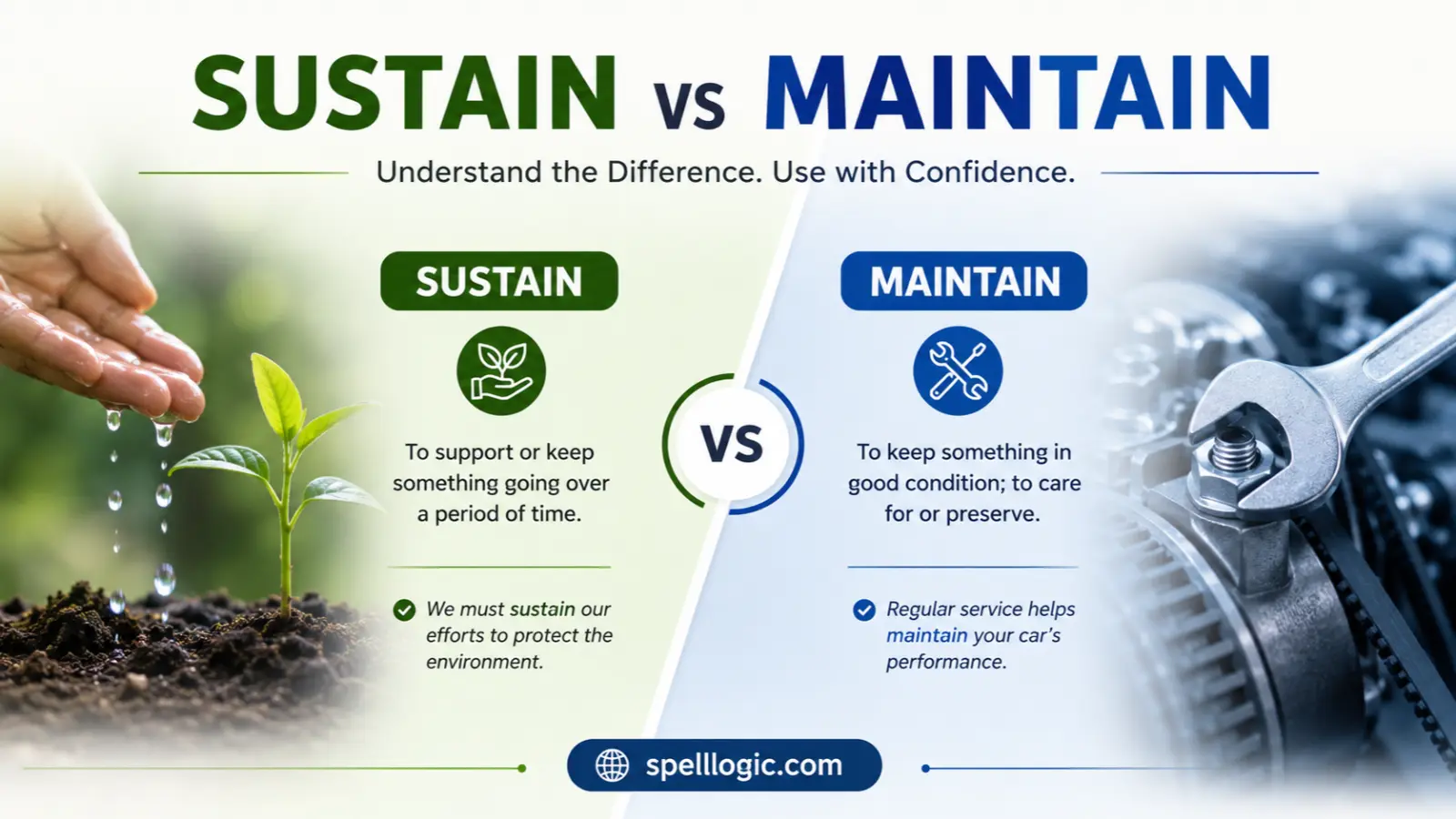
Many English learners confuse sustain and maintain because both words describe keeping something going. At first glance, they seem almost interchangeable, and in some situations, they can even appear in similar contexts. However, these verbs ...
Read more
Metre vs Meter: What Is the Difference & Which Is Correct?
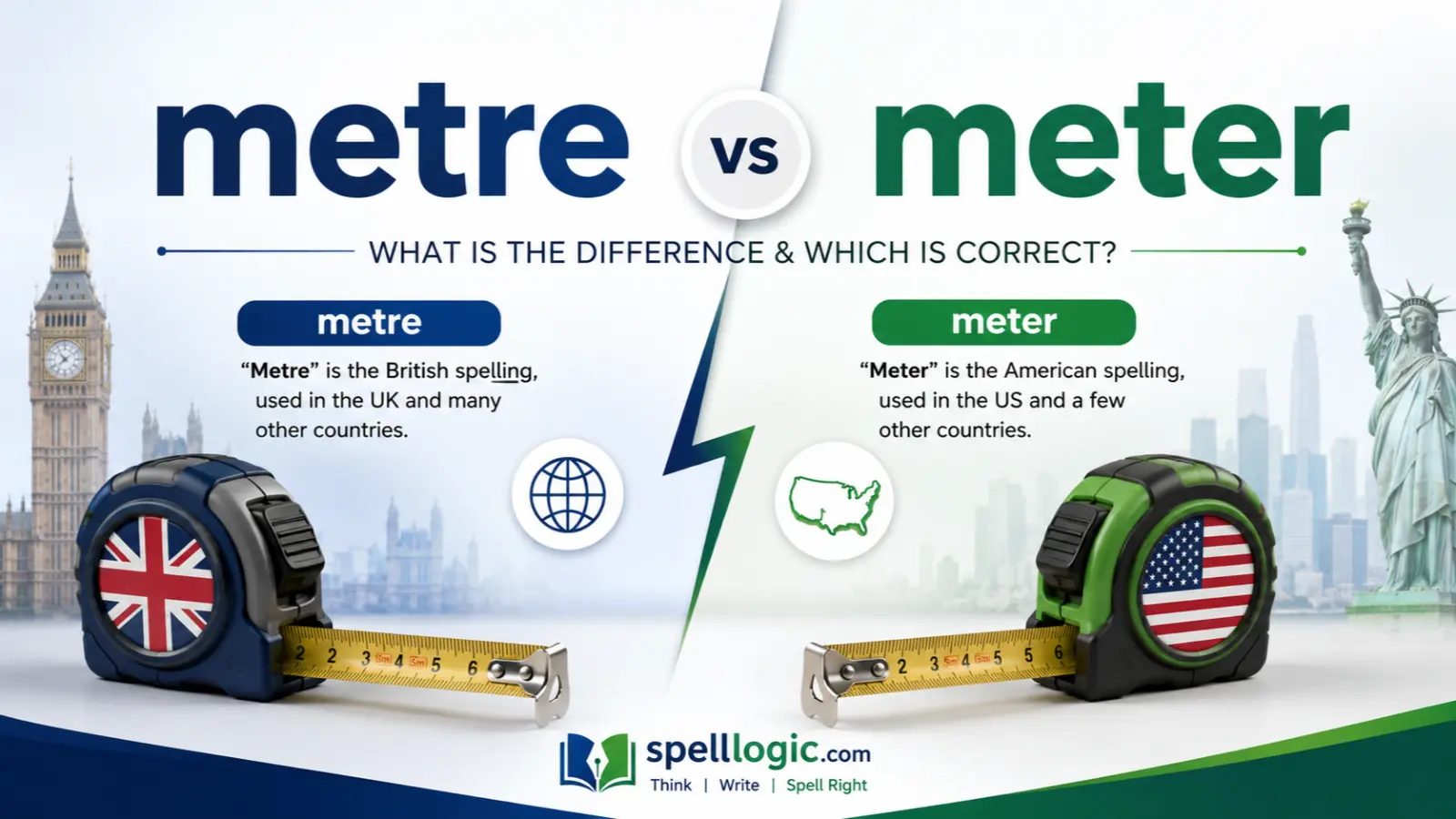
Many English learners get confused by metre and meter because the two words look almost identical and have the same pronunciation. At first glance, they seem interchangeable, but their meaning actually depends on the type ...
Read more
Rang vs Rung: What’s the Difference?
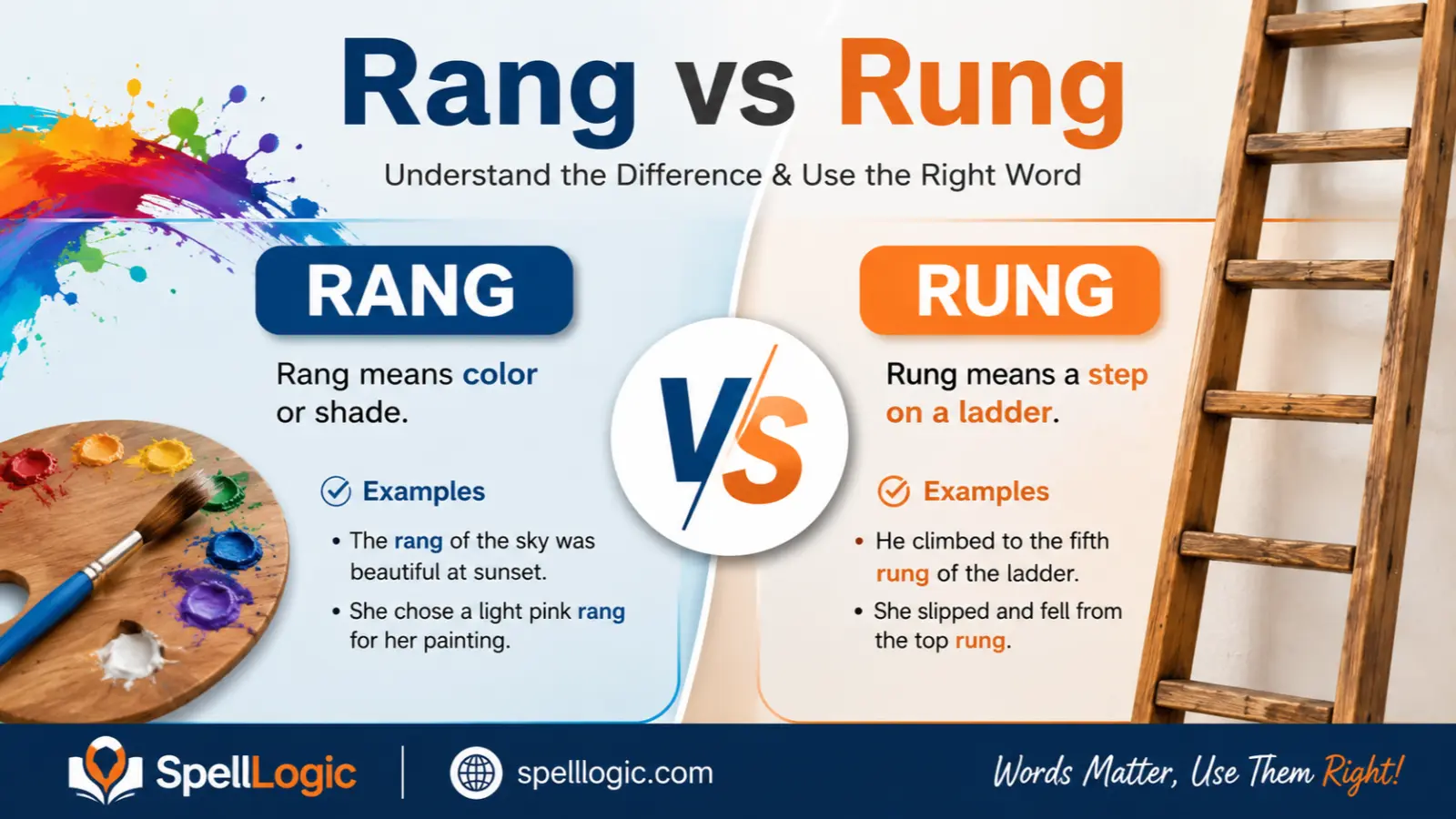
Many English learners struggle with rang vs rung because both words come from the same verb, ring, and both describe actions that happened in the past. However, they are not interchangeable. Using the wrong form ...
Read more
Fair vs Good: Meaning, Usage, and Examples
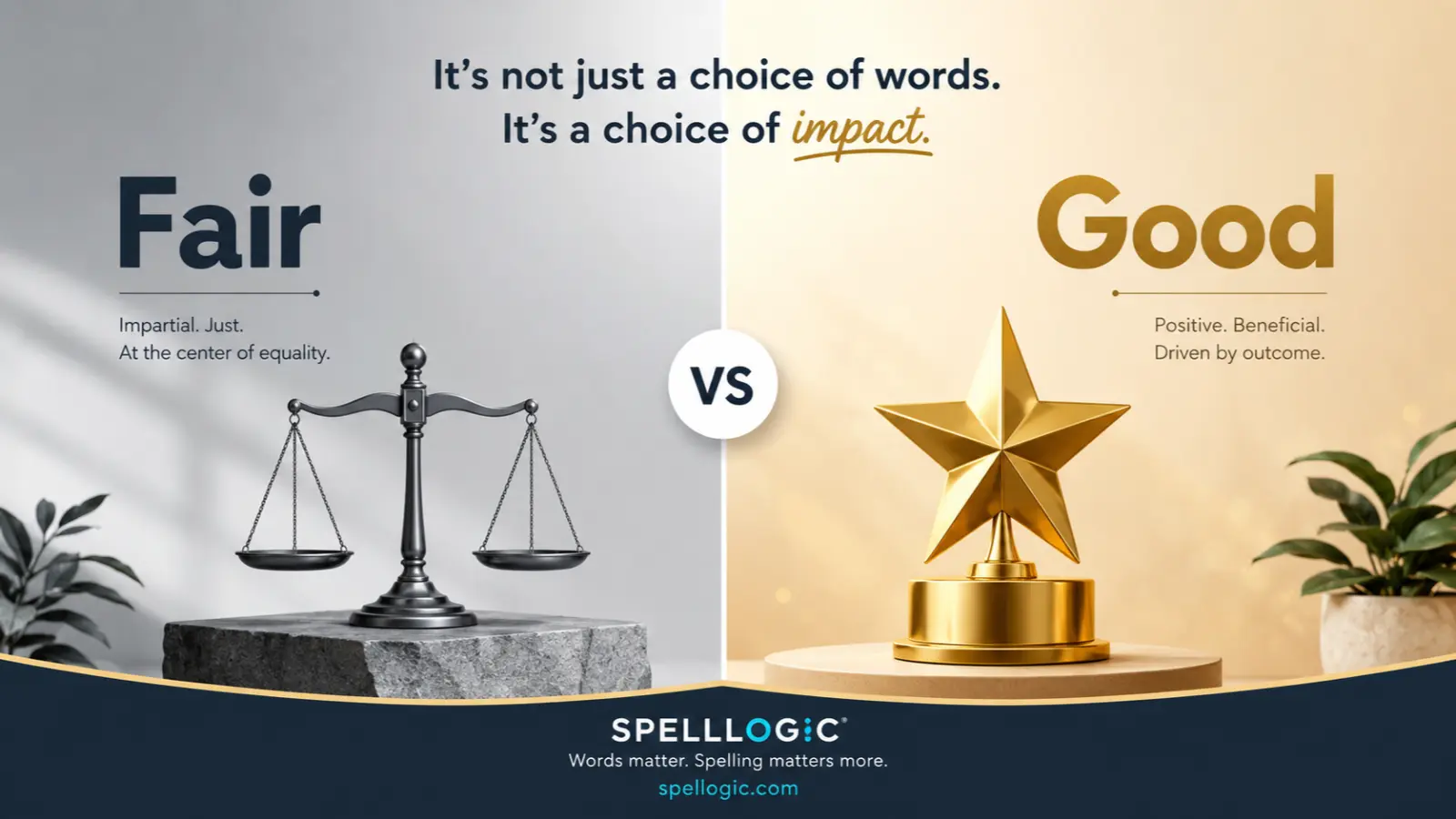
Fair vs Good Many English learners find fair and good confusing because both words can describe something positive. However, they do not mean the same thing and cannot always be used interchangeably. In some situations, ...
Read more