Concurrent vs Simultaneous: Easy Comparison
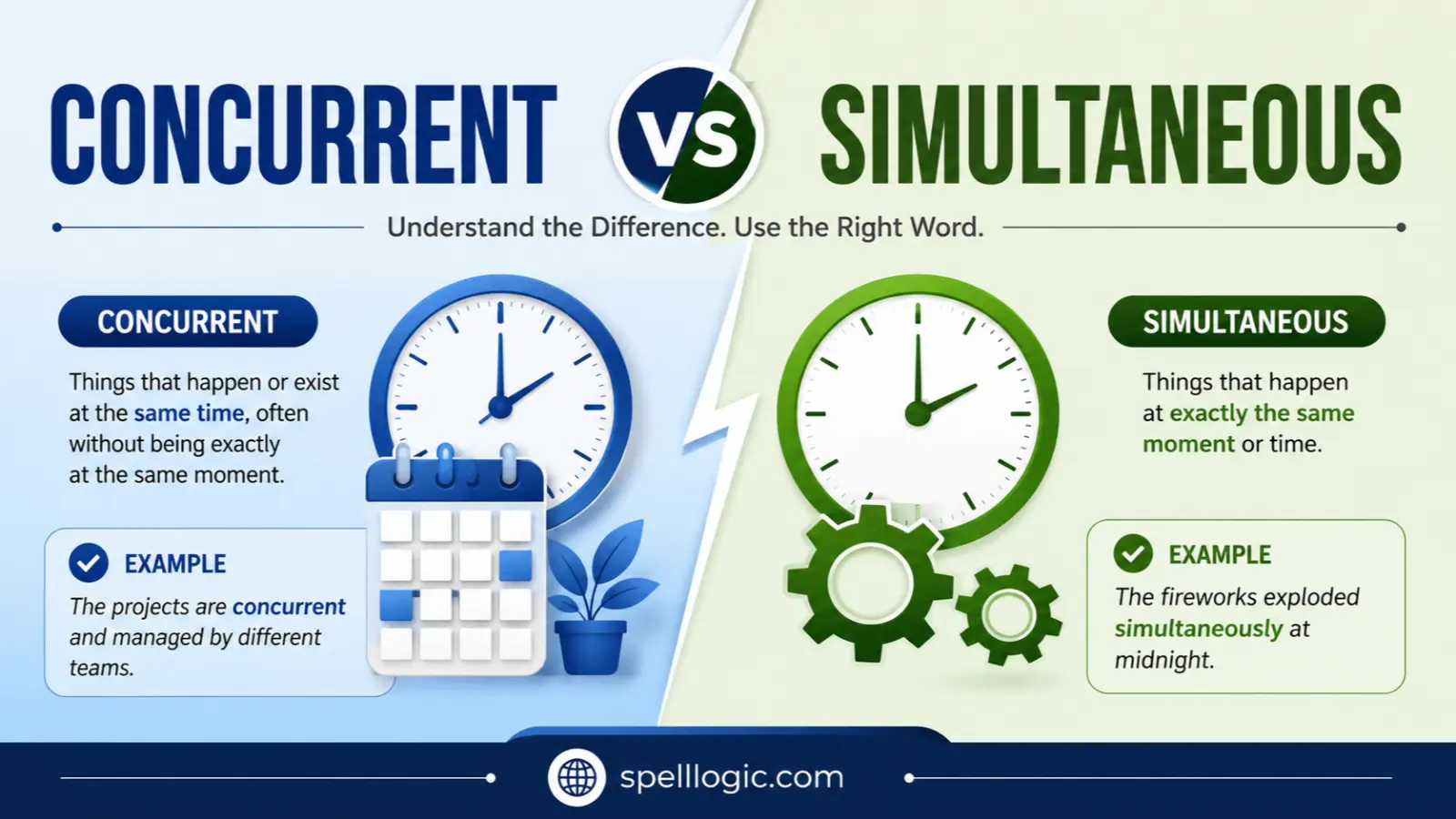
Understanding this subtle difference helps you write and speak more naturally in English. Whether you’re reading academic texts, business documents, or everyday conversations, knowing when to use each word will improve your vocabulary and prevent ...
Read more
Ho vs Hoe: What Is the Difference & Which Is Correct?
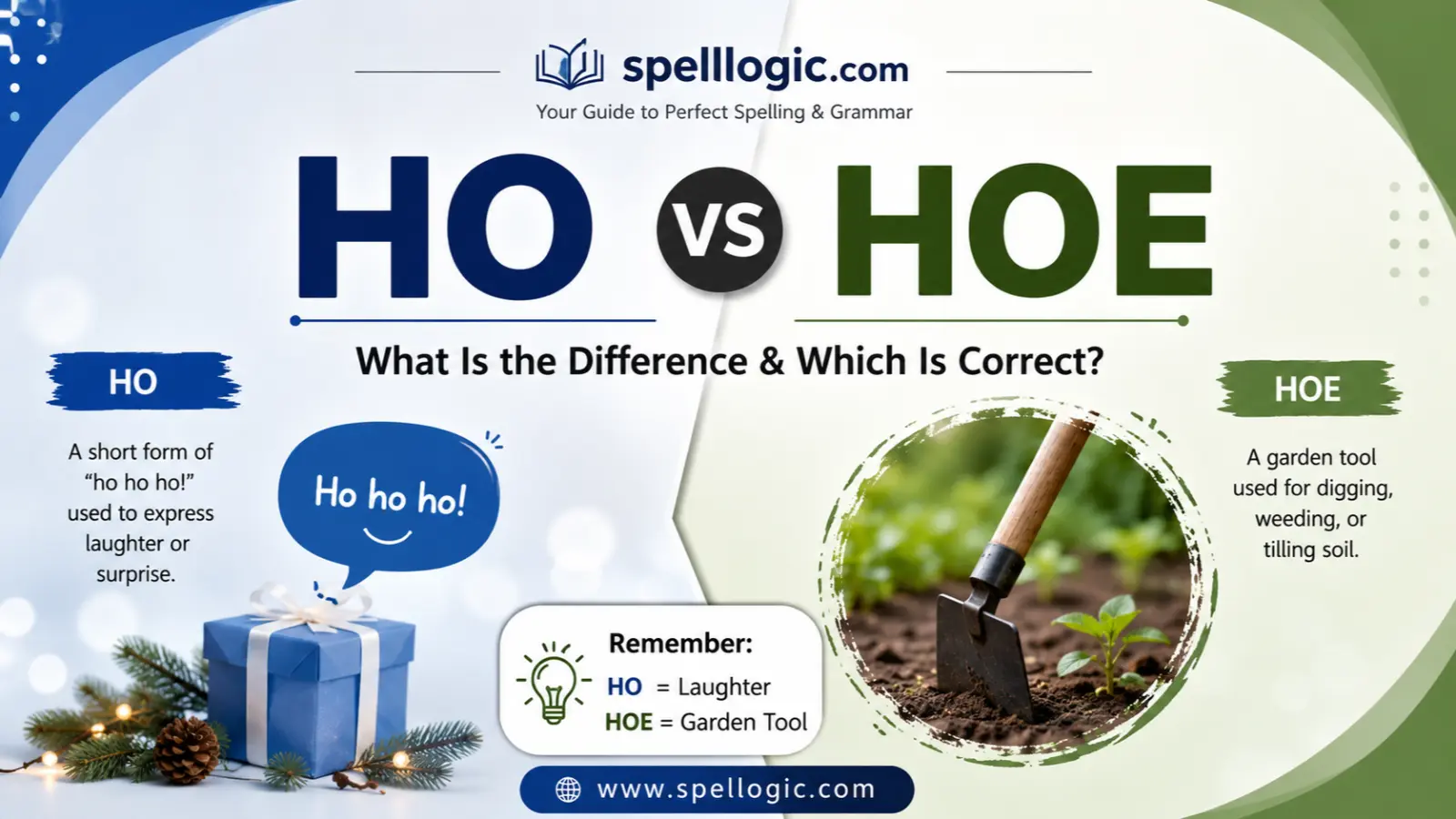
Many English learners become confused by ho and hoe because they sound almost the same in everyday speech. However, these two words have very different meanings and are used in completely different situations. One is ...
Read more
Uptown vs Downtown: What Is the Difference & Which Is Correct?

Many English learners come across the words uptown and downtown when reading books, watching movies, or traveling. Because both words describe parts of a city, they are often confused. Some people even think they can ...
Read more
Your Self vs Yourself: What Is the Difference & Which Is Correct?
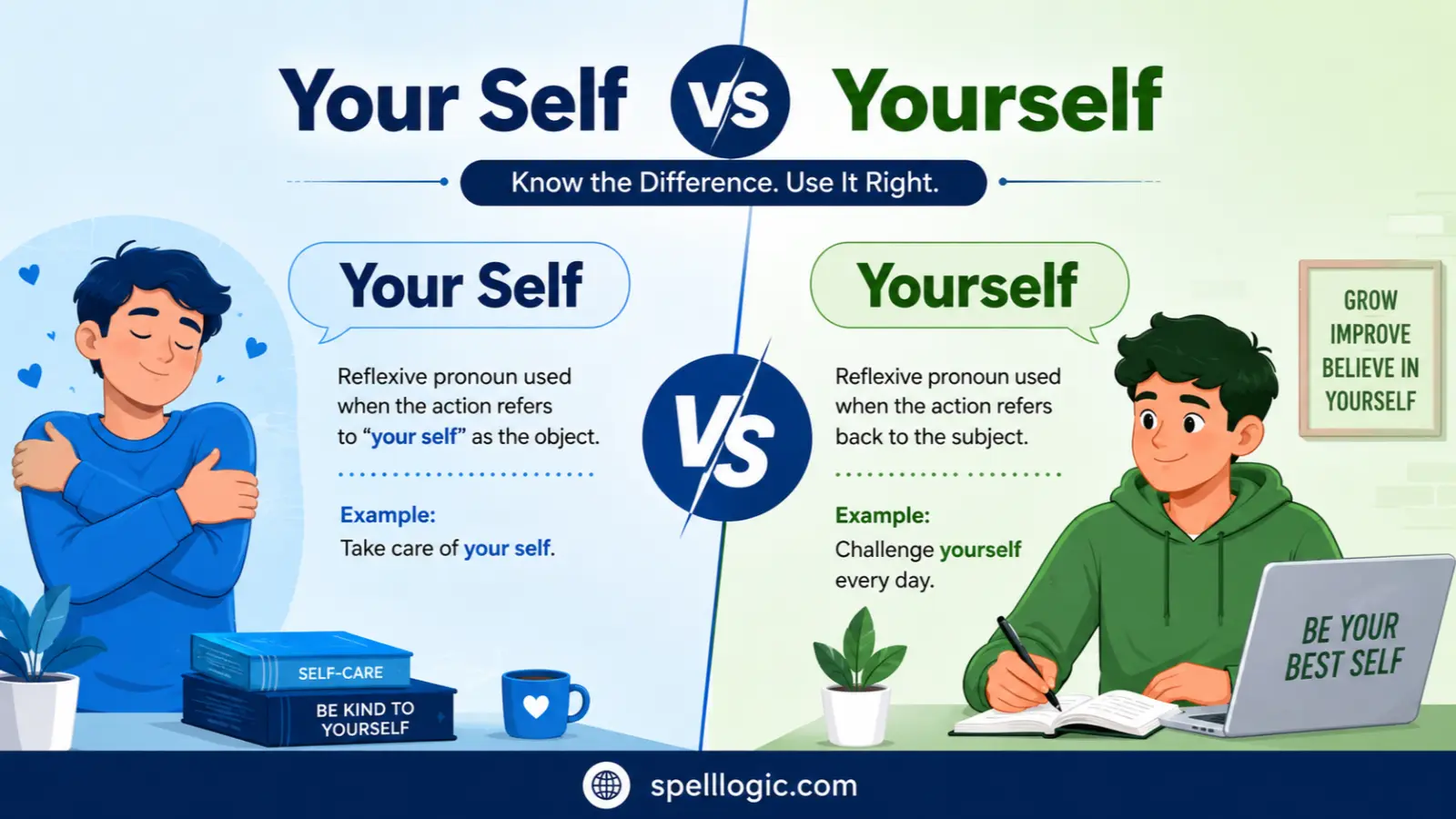
Many English learners wonder whether they should write your self or yourself. At first glance, both look similar, and they sound almost the same when spoken. However, only one is considered correct in standard English ...
Read more
Category vs Type: What Is the Difference & Which Is Correct?

Many English learners use category and type as if they mean exactly the same thing. Although these words are closely related, they are not always interchangeable. Both help us group people, objects, or ideas, but ...
Read more
Mine or Mines? Learn the Correct Usage
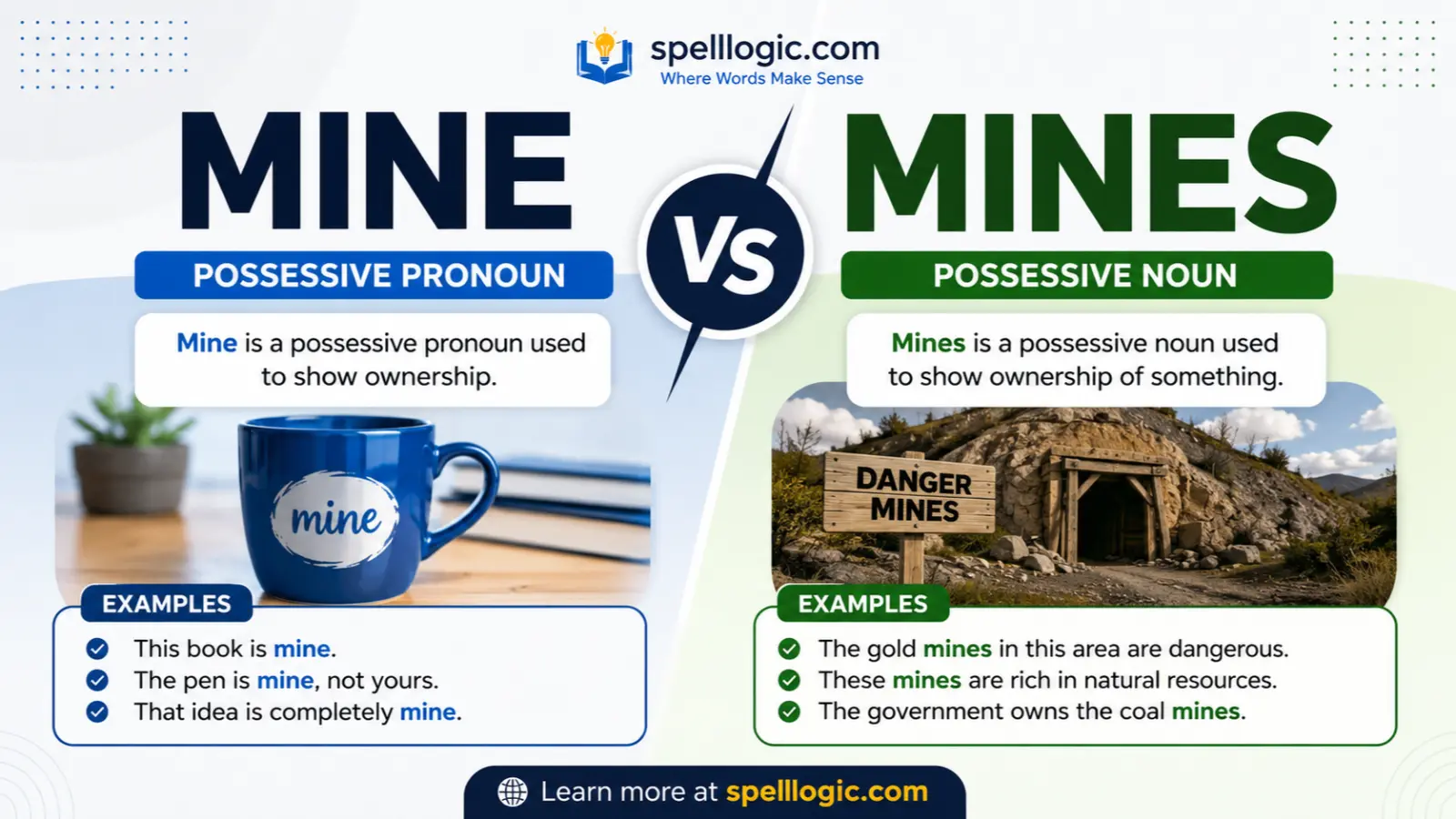
Many English learners get confused by mine and mines because the two words look almost the same and are closely related. However, they do not always have the same meaning or function in a sentence. ...
Read more
Patronizing vs Condescending Explained Simply
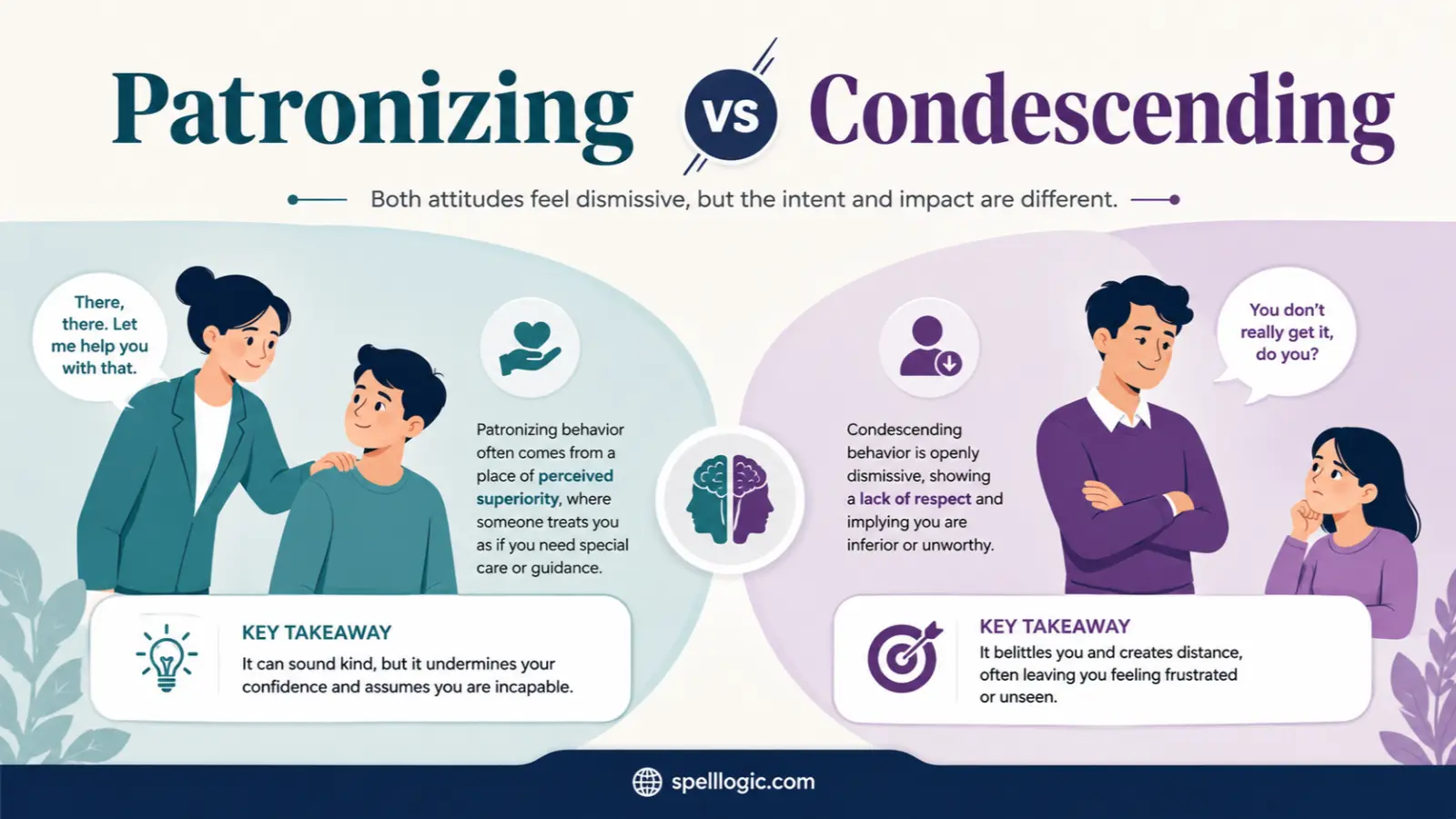
Patronizing vs Condescending Many English learners struggle with patronizing and condescending because both words describe attitudes that can make other people feel inferior. In everyday conversations, books, and workplace discussions, these terms are often used ...
Read more
Date vs Day: What Is the Difference & Which Is Correct?
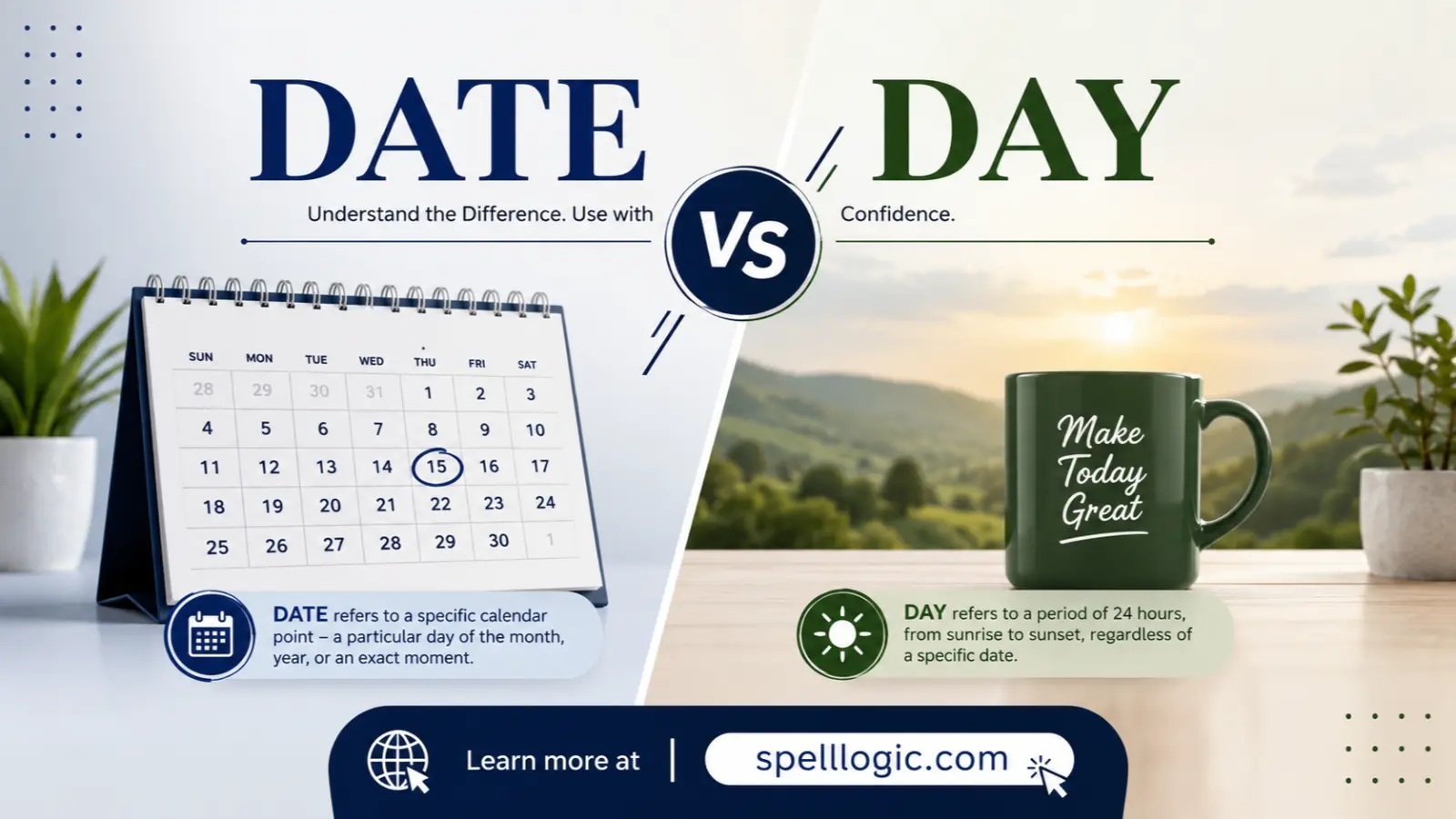
Date vs Day Many English learners confuse date and day because both words relate to time and are often used in similar conversations. For example, someone may ask, “What day is it?” while another person ...
Read more
Doggie and Doggy: Are They the Same?

Here is a clear and engaging introduction for “Doggie vs Doggy”: Many English learners and native speakers alike get confused by the words doggie and doggy because they sound exactly the same and refer to ...
Read more
Metaphor vs Symbolism: Understanding Figurative Language
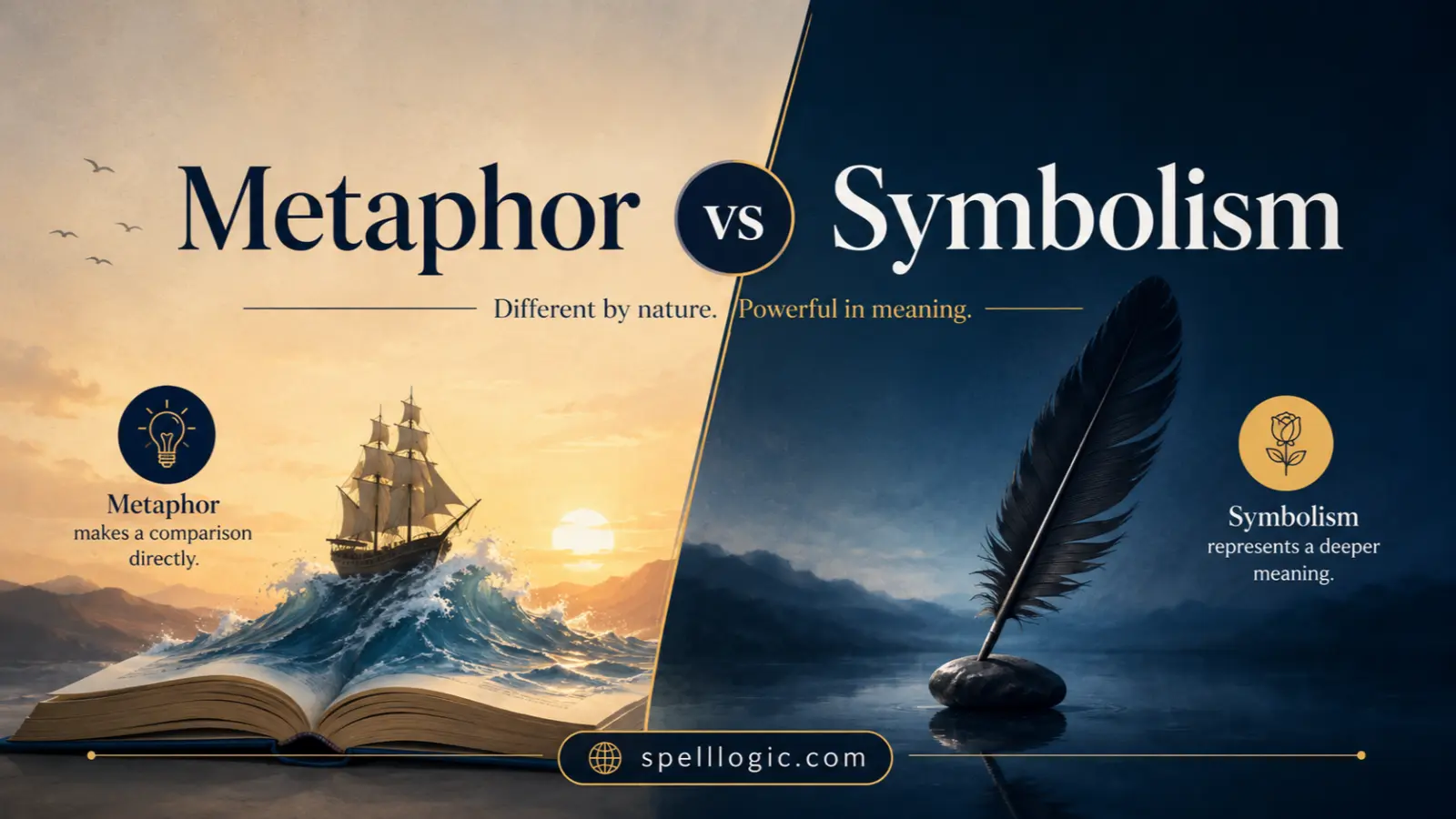
Many English learners struggle with metaphor vs symbolism because both are literary devices used to create deeper meaning in writing and speech. At first glance, they seem similar since both help writers express ideas beyond ...
Read more