Tear or Tare: What Is the Difference & Which Is Correct?
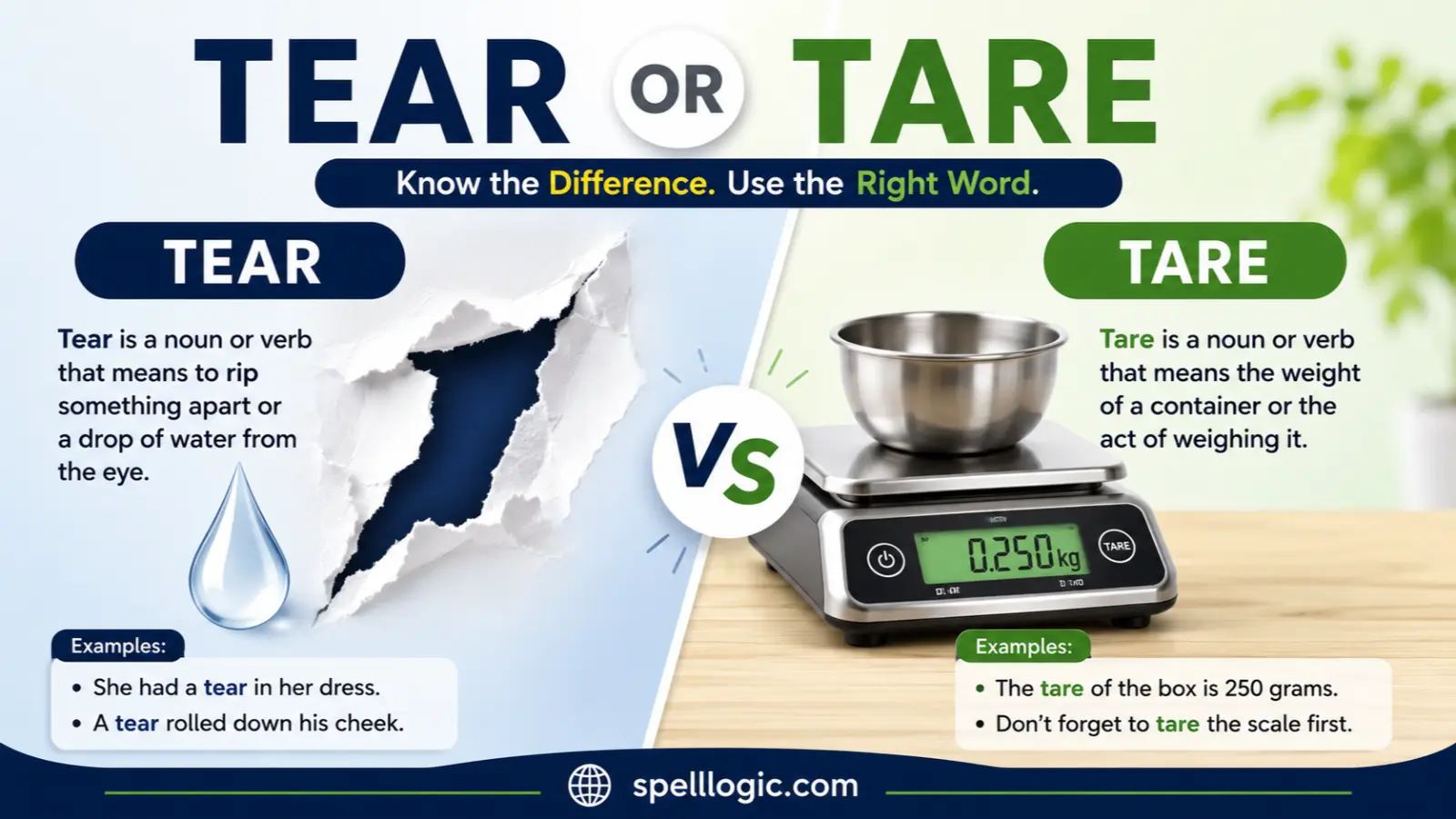
Many English learners struggle with tear and tare because these two words sound exactly the same but have completely different meanings. Since they are pronounced alike, people often choose the wrong spelling when writing, especially ...
Read more
Aunt or Aunty: What Is the Difference & Which Is Correct?
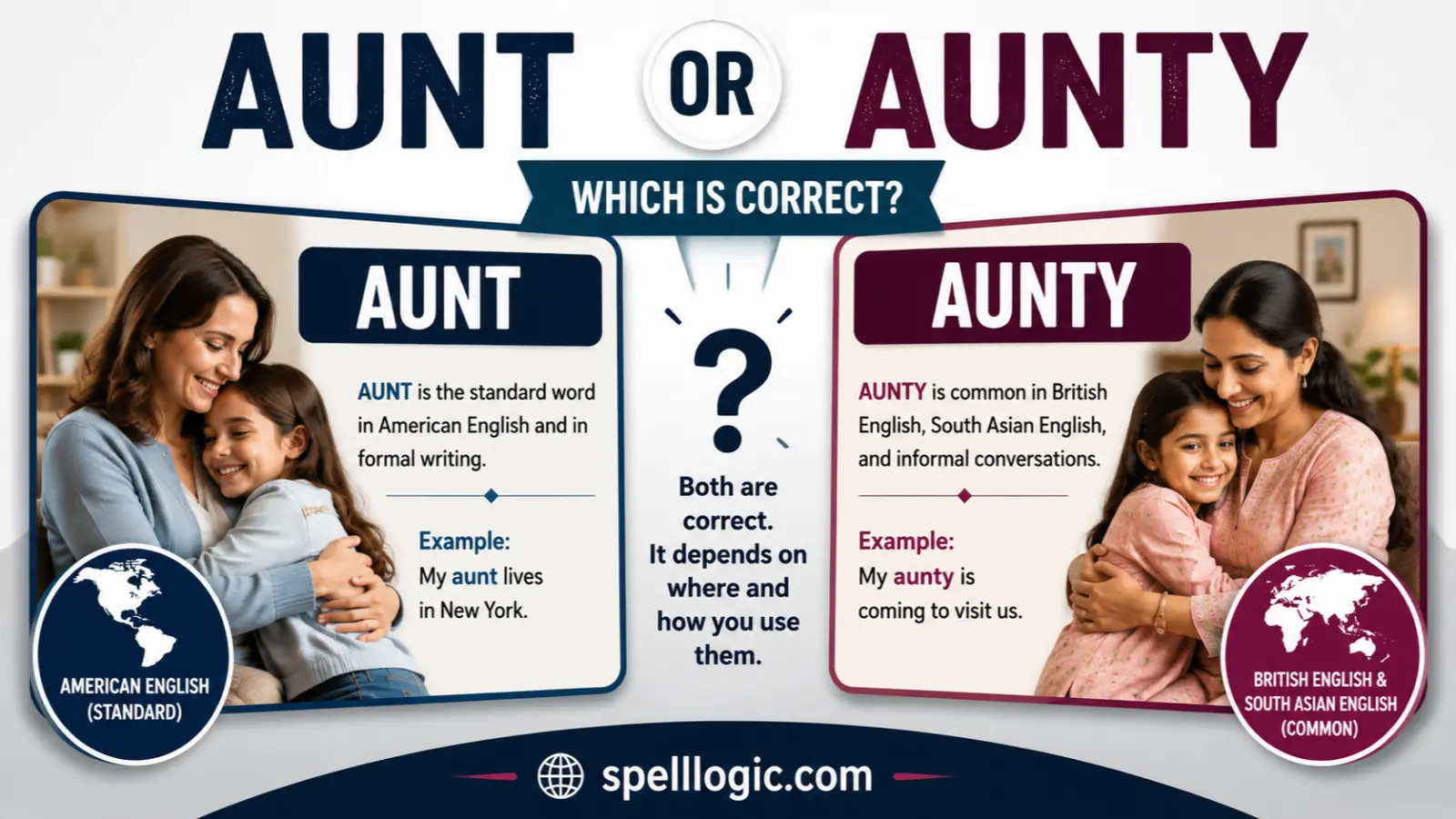
Many English learners wonder whether they should say aunt or aunty. Since both words refer to the same family member, it can be confusing to know which one sounds more natural in different situations. While ...
Read more
Whether or Not: Which Is Correct?
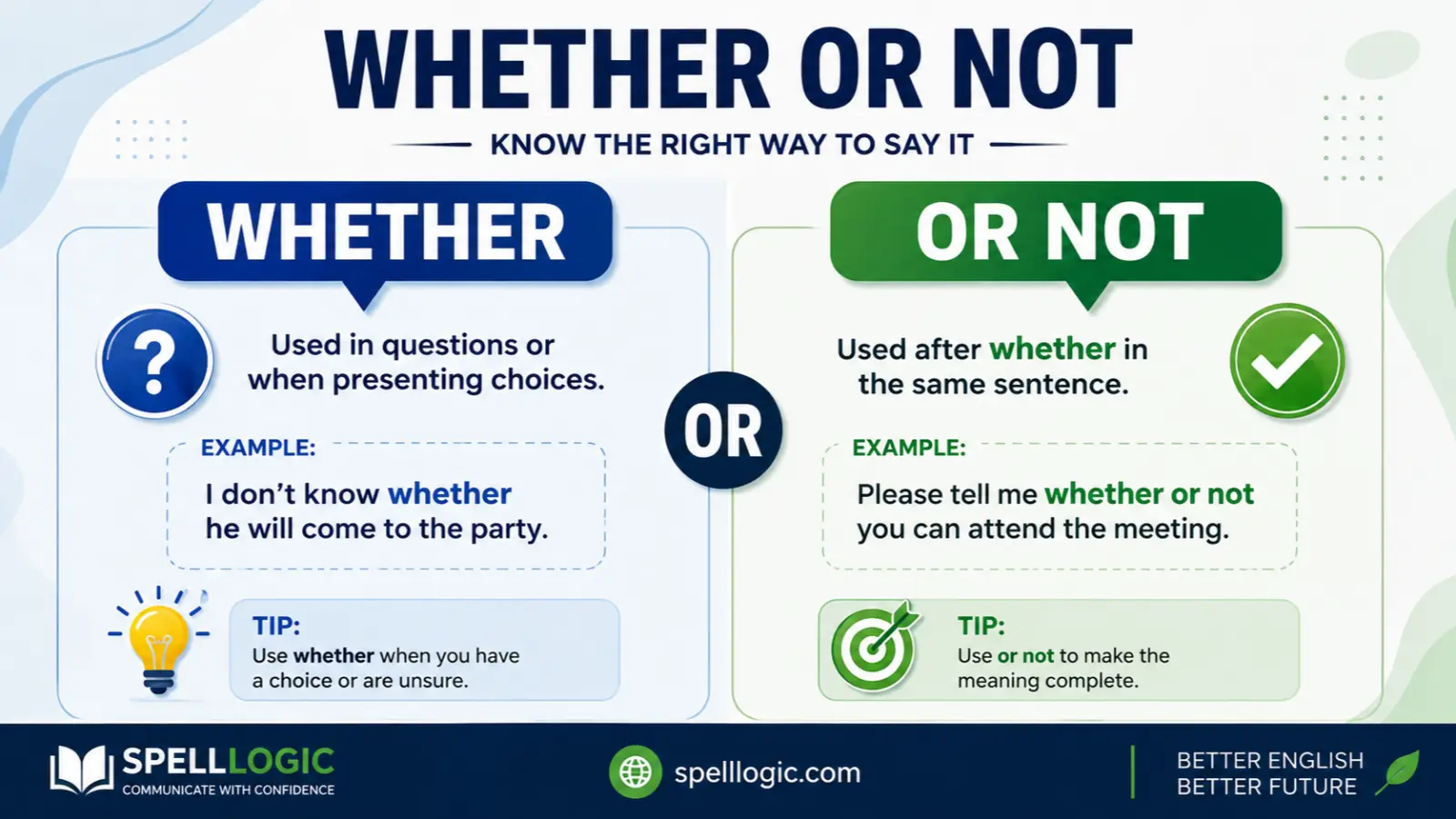
Many English learners wonder whether they should write whether or whether or not. These expressions look very similar, and in many sentences, both seem to work. However, they are not always interchangeable. Choosing the right ...
Read more
Parent or Parents: What Is the Difference & Which Is Correct?

Many English learners wonder whether they should use parent or parents in a sentence. Although the two words look almost identical, they are not interchangeable in every situation. The difference is simple: parent refers to ...
Read more
Oversite vs Oversight: What Is the Difference & Which Is Correct?
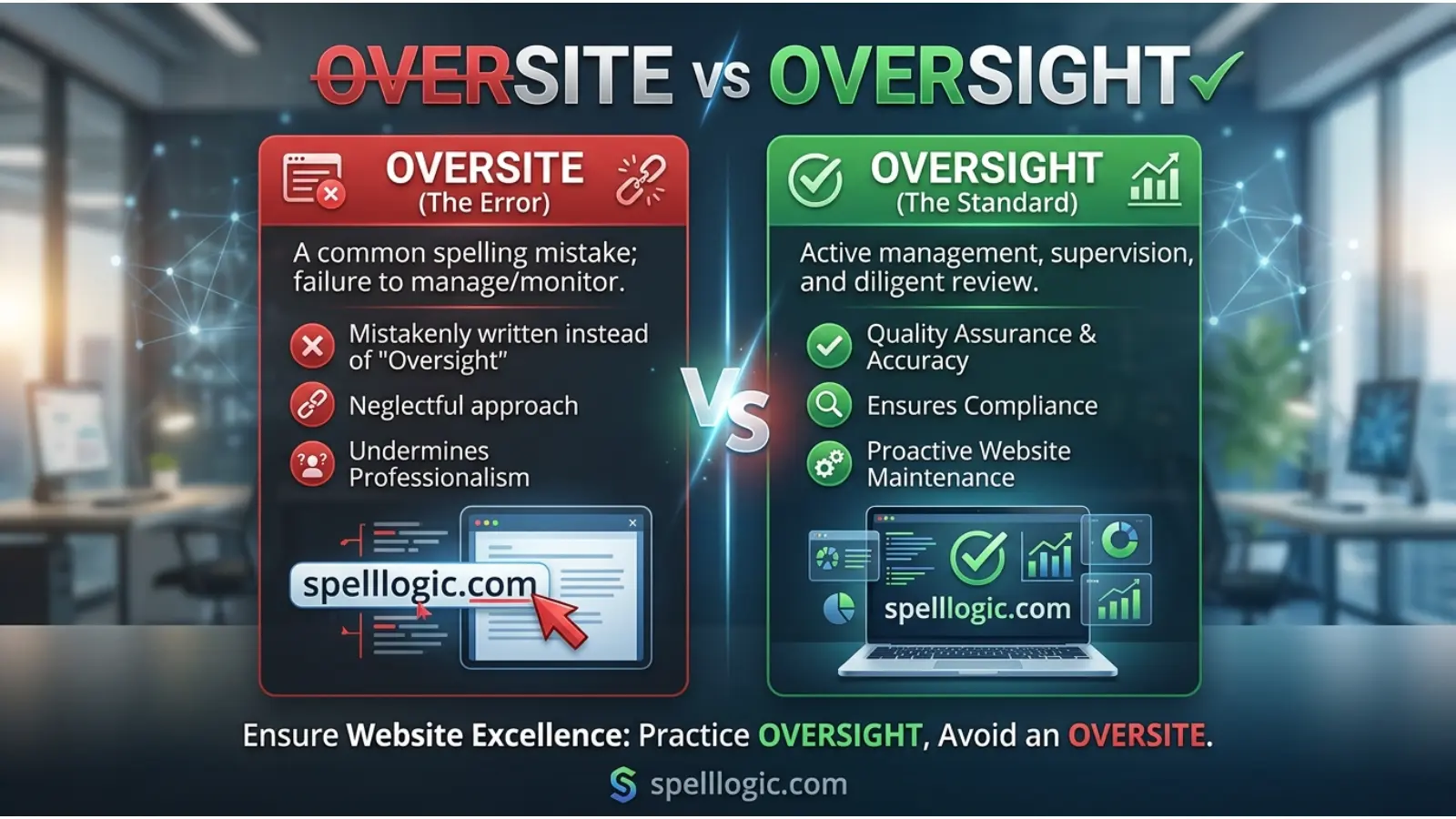
Many English learners become confused by oversite and oversight because the words look almost identical at first glance. However, there is an important difference: one is a common spelling mistake, while the other is a ...
Read more
Tonnes vs Tons: Which Is Correct?
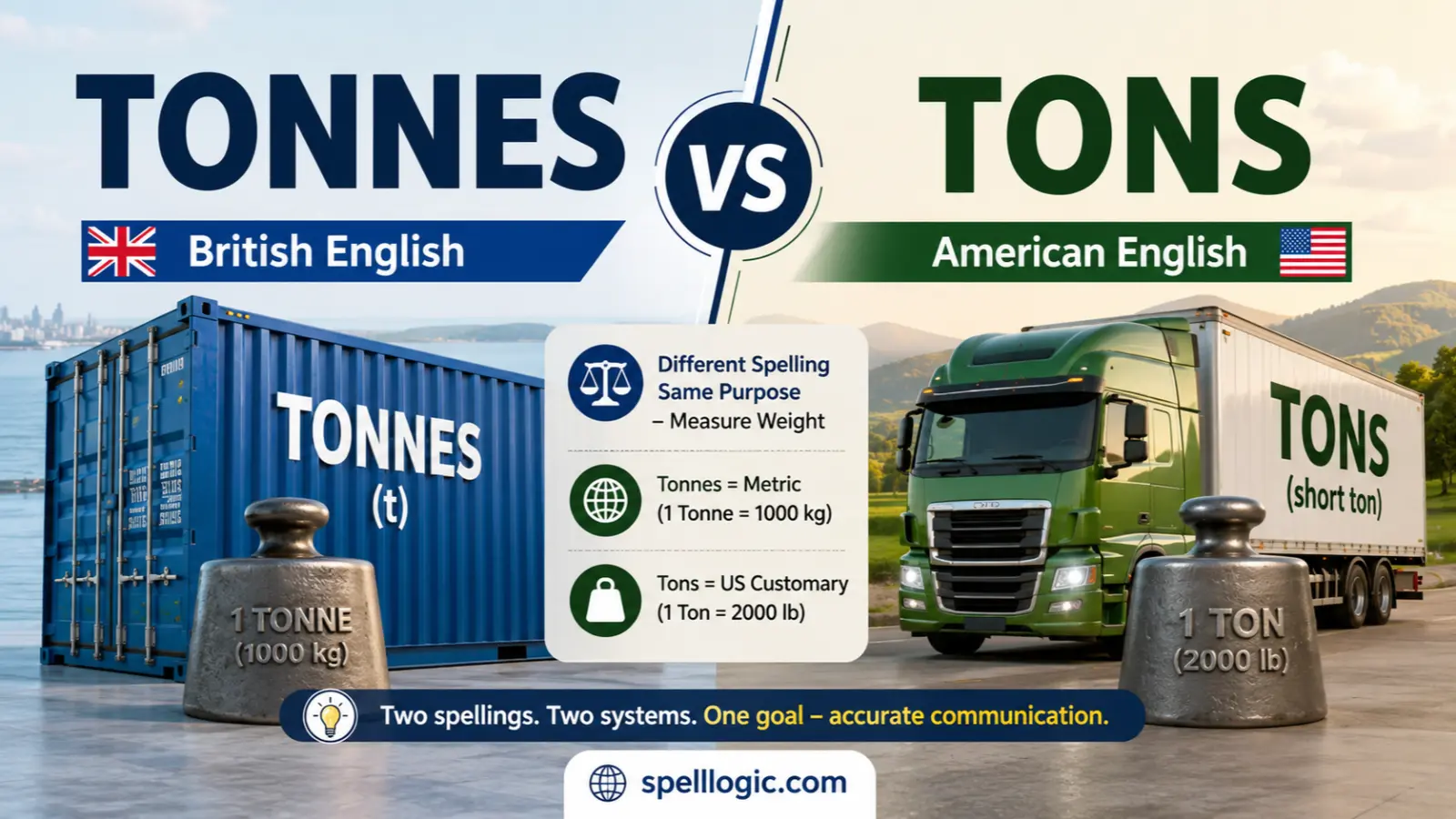
Many English learners get confused by tonnes and tons because both words describe heavy weight and sound similar in everyday conversation. However, they do not always mean the same thing. The difference mainly depends on ...
Read more
Took vs Taken: What Is the Difference & Which Is Correct?
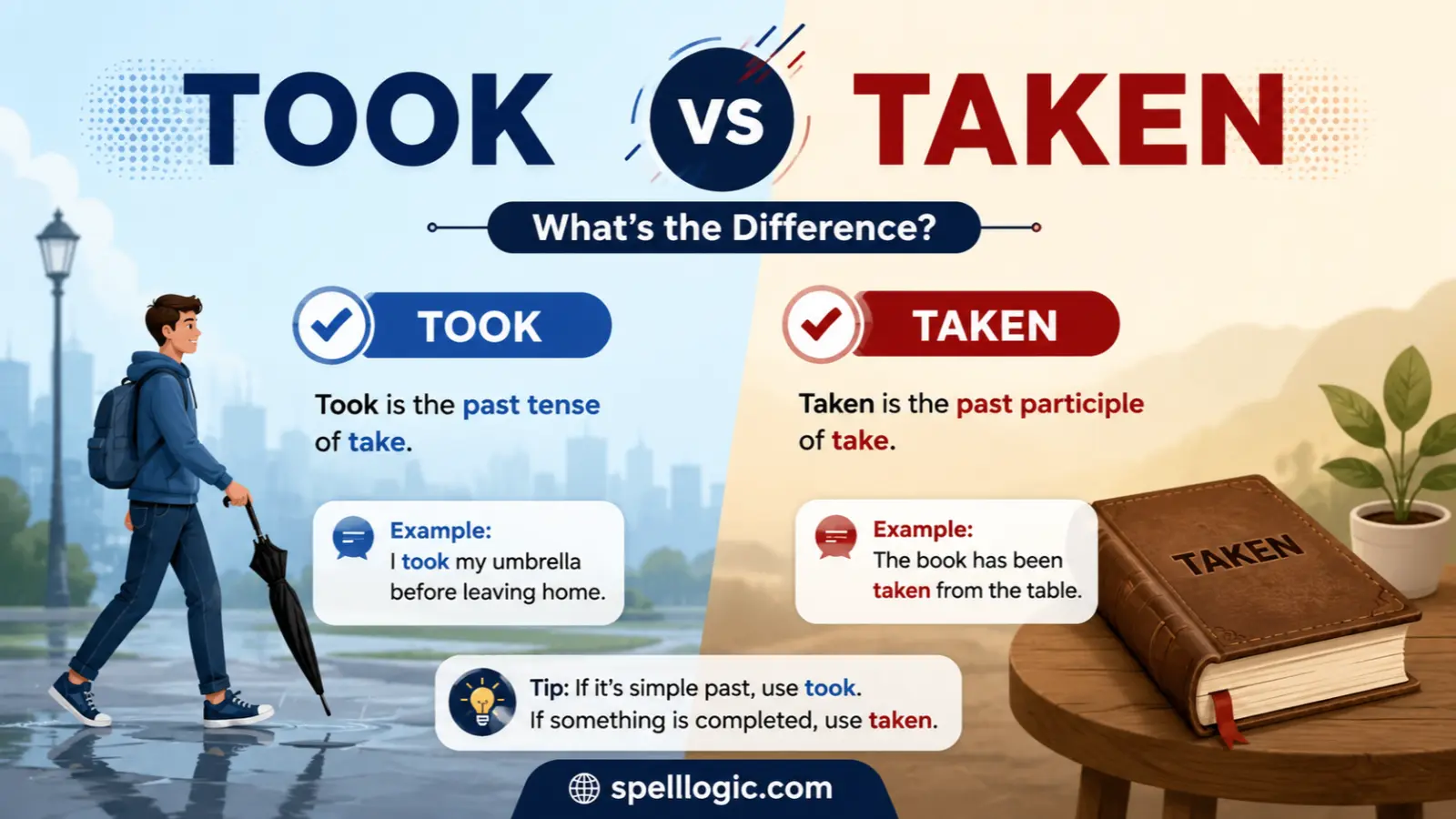
Many English learners confuse took and taken because both words come from the same verb, take, and both describe actions that happened in the past. However, they are not interchangeable. Using the wrong one can ...
Read more
Percent vs Percentage: What Is the Difference?
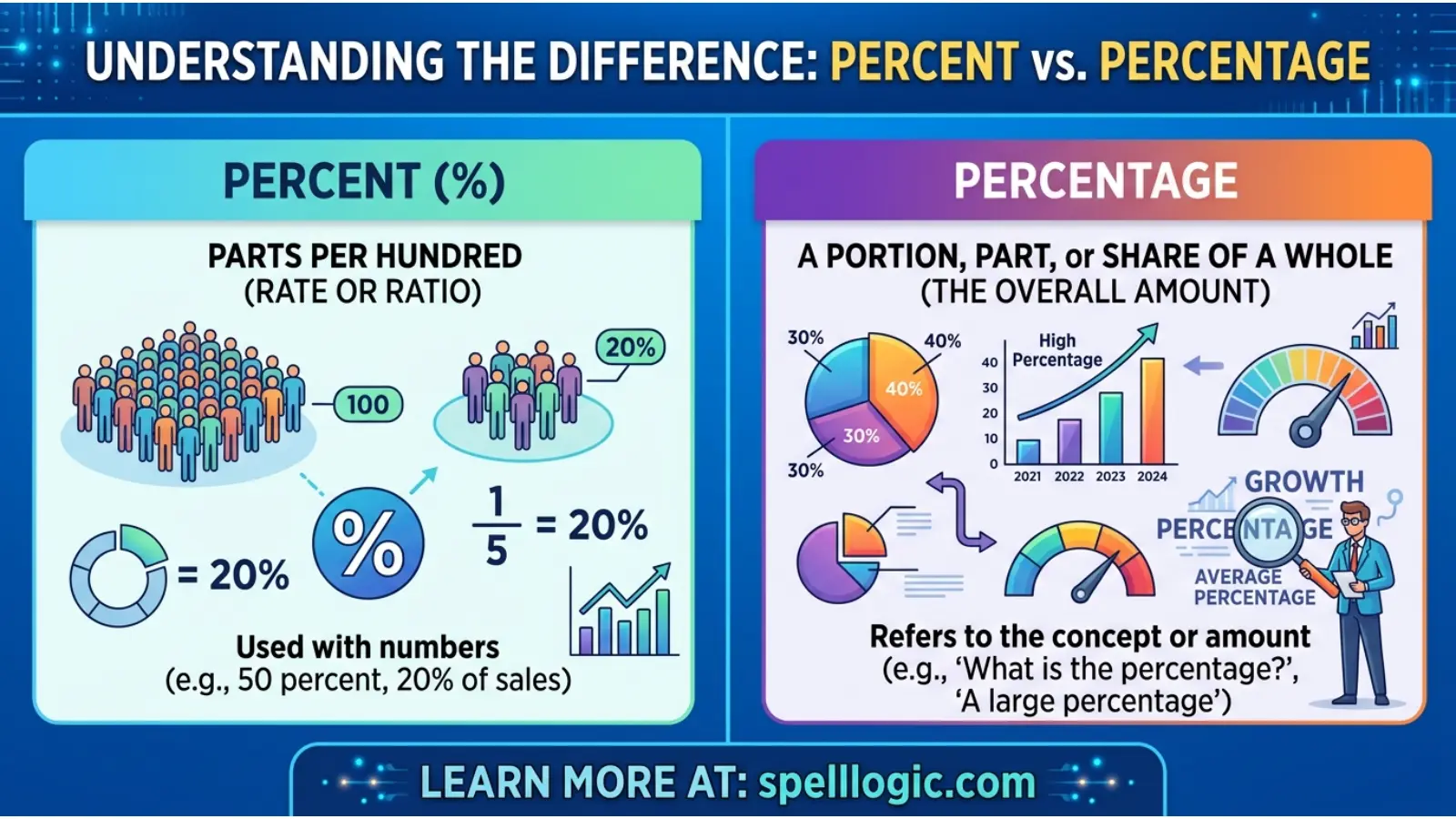
Many English learners get confused by percent and percentage because both words relate to numbers and proportions. Although they look and sound similar, they are not always interchangeable. Using the wrong one can make your ...
Read more
Thereby vs Therefore: What Is the Difference & Which Is Correct?
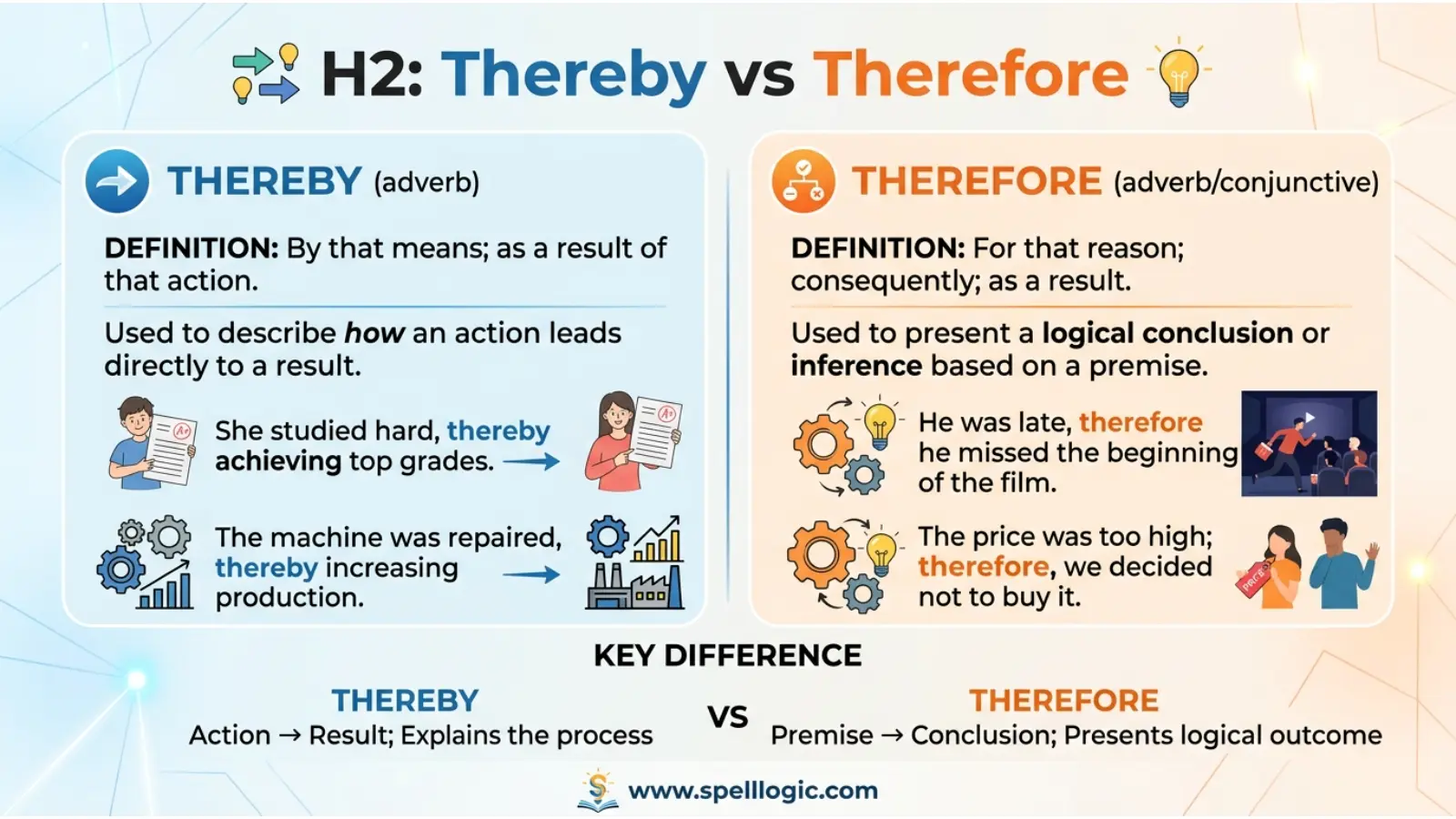
Many English learners confuse thereby and therefore because both words connect ideas and often appear in formal writing. Although they look similar and are sometimes used in the same sentence, they have different meanings and ...
Read more
Timepoint vs Time Point: What’s the Difference?
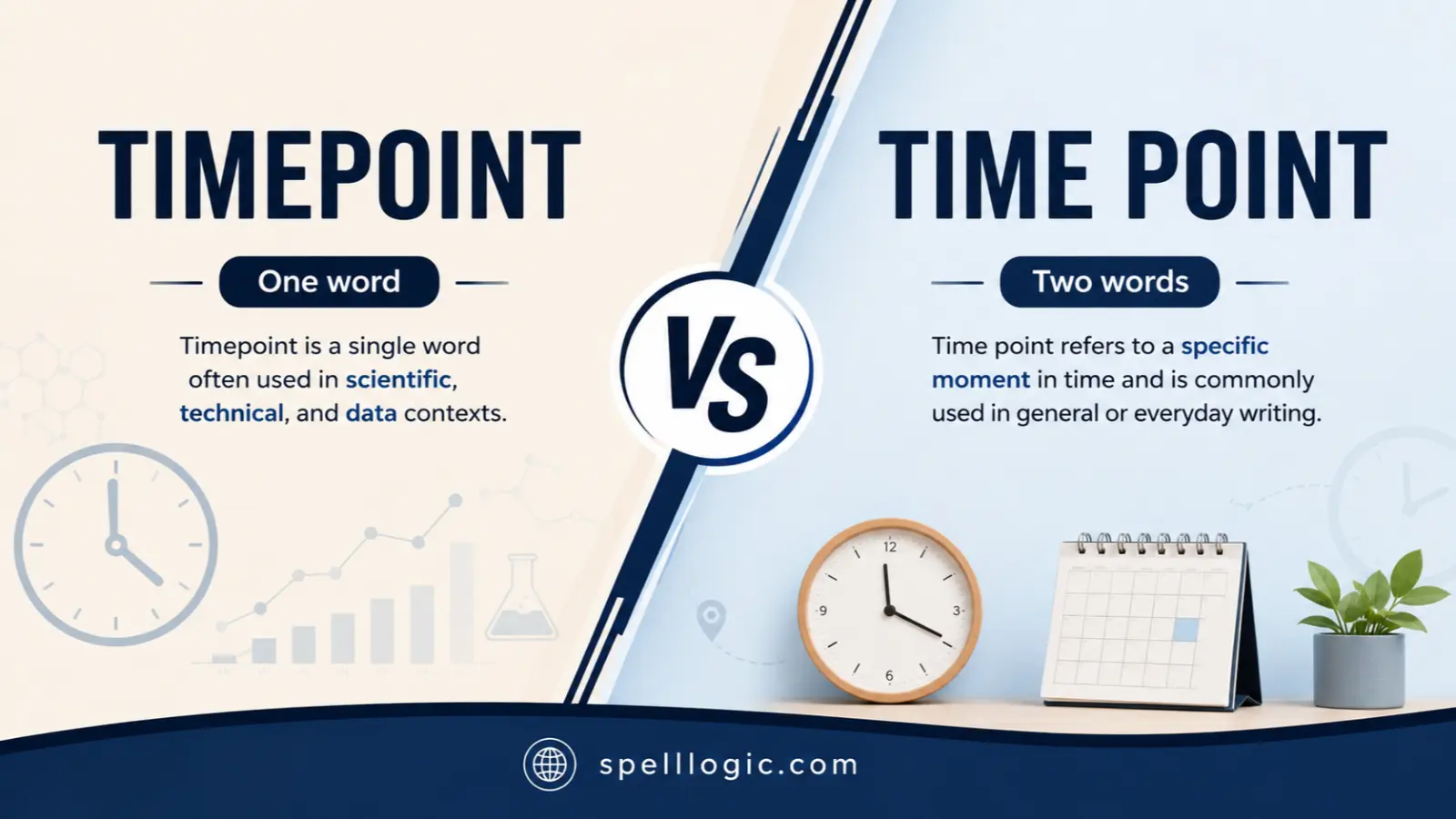
Many English learners wonder whether they should write timepoint or time point. At first glance, both forms seem to mean the same thing, and you may even see both used in books, research papers, and ...
Read more